


Skip to content
Astrad Allied Health
Call us
NDIS-ready reports · Assistive Technology

Assistive technology assessments and AT reports, written to NDIS standards.

OT-led AT assessments for wheelchairs, mobility aids, shower equipment, pressure care, daily living aids and communication devices, for NDIS self- and plan-managed participants.

An assistive technology assessment establishes what equipment a person needs, why they need it, and which specific items are clinically appropriate. Our OTs trial equipment with the participant in their home or community environment, then write a thorough AT report with product recommendations, supplier quotes and evidence-based justification for NDIS funding requests. We work with self-managed and plan-managed NDIS participants and liaise directly with suppliers and support coordinators throughout the process.

  • NDIS-standards AT reporting
  • Trial of equipment at home
  • Supplier quotes coordinated
  • Typical turnaround 2–3 weeks
Call (07) 3477 9366

You'll speak with one of our AHPRA-registered OTs.

Request an AT assessment quote

We usually call back within one business day.

  • Free intake call
  • No obligation
  • No referral needed
Your info stays confidential. Privacy policy.

Assistive technology assessments across QLD, NSW, VIC & TAS

AHPRA-registered OTs
NDIS self- & plan-managed
Support coordinators welcome
Plan managers welcome
Home-based trials
NDIS-ready reports · Assistive Technology Assessments

What an AT assessment involves and what the report needs to include

An assistive technology assessment is more than a product recommendation. The OT needs to establish the clinical need, confirm the equipment matches the person's functional situation and environment, trial options where possible, and write a report that gives the NDIA the specific evidence it requires. The level of detail the report needs varies by AT cost tier, and getting that calibration right at the referral stage saves everyone time.

Functional assessment before product selection

Before any specific AT is recommended, the OT assesses the person's physical and cognitive function across the relevant domains: posture and seating, upper and lower limb function, transfers, communication, mobility and daily living tasks. The AT recommendation follows the functional picture; the assessment comes first. This is what distinguishes a clinical AT report from a product catalogue.


Equipment trial in the real environment

For mid and high-cost AT, trialling the equipment in the person's actual environment is best practice and often expected by the NDIA. The OT coordinates with suppliers to arrange a trial at the home or community visit where the AT category and timing allow. The trial findings are documented in the report and form part of the clinical justification for the specific product recommended.

AT cost tiers and what each requires

Low-cost AT (generally under $1,500) may be purchased without a formal assessment, though OT input is still useful. Mid-cost AT requires an OT quote and justification. High-cost AT (power wheelchairs, complex communication devices, ceiling hoists, specialised seating) requires a full OT assessment report and, in most cases, an equipment trial. The report is written to the tier requirements as standard.

Product specification and supplier quotes

The AT report includes specific product recommendations with make, model and item code where available, plus clinical justification for why that product is appropriate over alternatives. The OT coordinates with registered AT suppliers to obtain formal quotes in the format the NDIA requires. These quotes are included in the report package so the support coordinator or plan manager has everything needed to submit the funding request.

Report structure for NDIS Capital Supports

High and mid-cost AT is funded under NDIS Capital Supports, which has specific evidence requirements. The report addresses the participant's functional need, the link between that need and the recommended AT, confirmation of the trial (where conducted), supplier quotes, and the clinical rationale for the specific item over a less expensive alternative where relevant. The report is written with the NDIS assessor in mind, not a general clinical audience.

Coordination with the support team

AT assessments often involve more than one clinician. Complex seating and mobility AT may require input from a physiotherapist alongside the OT. Communication devices may involve a speech pathologist. Where coordination is needed, the OT takes the lead on the AT report and liaises with the relevant practitioners. We also keep the support coordinator and plan manager informed throughout the process, and send completed reports to whoever is nominated.

How it works

From referral to AT report in three steps

AT assessments involve more than writing a report. We trial, we justify, we coordinate with suppliers, and we make sure the equipment actually works for the person in their real environment.

01

Referral in

Call (07) 3477 9366 or submit the form. Tell us what type of equipment is being considered, the person's diagnosis and functional situation, and their NDIS funding status. We confirm scope and provide a written quote before any visit is booked.

02

Home assessment and equipment trial

An AHPRA-registered OT visits the home (or community setting where the equipment will be used). We assess the person's functional needs, trial suitable equipment options where possible, and measure the environment for fit. Standardised tools are used where clinically appropriate.

03

AT report and supplier quotes delivered

The completed AT report is delivered digitally within two to three weeks. It includes clinical justification, specific product recommendations, supplier quotes and any supporting evidence for the NDIS funding request. We send the report to whoever you nominate: support coordinator, plan manager or the participant directly.

Who we assess

AT assessments across every stage of life

Assistive technology needs vary significantly by age, disability type and living environment. Our OTs assess children, adults and older people across a wide range of AT categories.

Birth

Kids

Birth – 17

Paediatric AT assessments

For children, AT assessments may cover specialised seating, communication devices (AAC), adapted utensils, toileting and bathing equipment, and mobility aids. We assess in the home and school environments and write reports that the NDIS requires for low, mid and high-cost AT.

  • Specialised seating and positioning
  • Augmentative and alternative communication (AAC)
  • Bathing and toileting equipment
  • Adapted self-care aids
  • Mobility and school transport aids
  • Sensory equipment
Enquire about kids OT
18

Adults

18 – 64

Adult AT assessments

For working-age adults, AT assessments cover a broad range: manual and power wheelchairs, shower and commode equipment, hospital-grade beds, pressure care mattresses, hoists and transfer equipment, and daily living aids. We write to NDIS Capital Supports standards.

  • Manual and power wheelchairs
  • Pressure care and seating
  • Shower and bathroom equipment
  • Hoists and transfer aids
  • Hospital-grade beds and mattresses
  • Daily living and kitchen aids
Enquire about adults OT
65+

Older adults

65+

Aged care AT assessments

For older people, equipment assessments may be funded through Home Care Packages, CHSP, DVA or the NDIS. We assess mobility aids, shower chairs, bath boards, raised toilet seats, walking frames and other daily living equipment to support safe ageing at home.

  • Walking aids and frames
  • Shower chairs and bath boards
  • Raised toilet seats and commodes
  • Grab rails and transfer aids
  • Pressure care equipment
  • Cognitive and safety aids
Enquire about older adults OT
Meet the team

The people behind every visit

Our Occupational Therapists are AHPRA-registered, supported by OT assistants, a psychologist, a speech pathologist and a warm admin team who'll be your first point of contact. Small enough to know your name, big enough to match you with someone whose experience fits your goals.

AHPRA-registered OTs SPA Certified Speech Pathologist Coverage across QLD, NSW, VIC, TAS
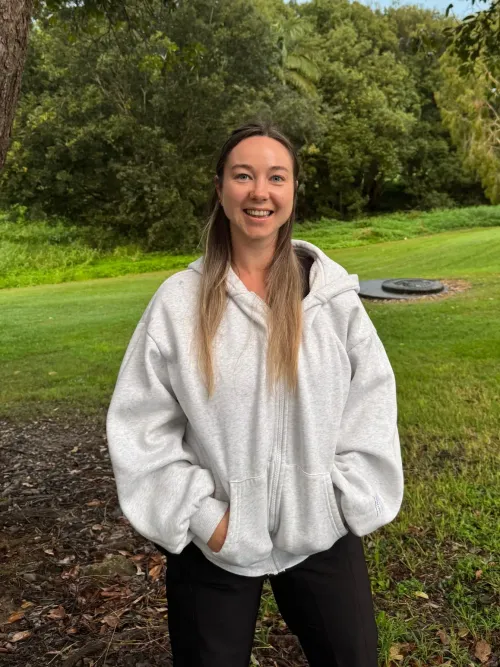
Emily, Occupational Therapist at Astrad

Emily

Occupational Therapist

AHPRA-registered
Jamie, Occupational Therapist at Astrad

Jamie

Occupational Therapist

AHPRA-registered
Lachlan, Occupational Therapist at Astrad

Lachlan

Occupational Therapist

AHPRA-registered
Andrew, Occupational Therapist at Astrad

Andrew

Occupational Therapist

AHPRA-registered
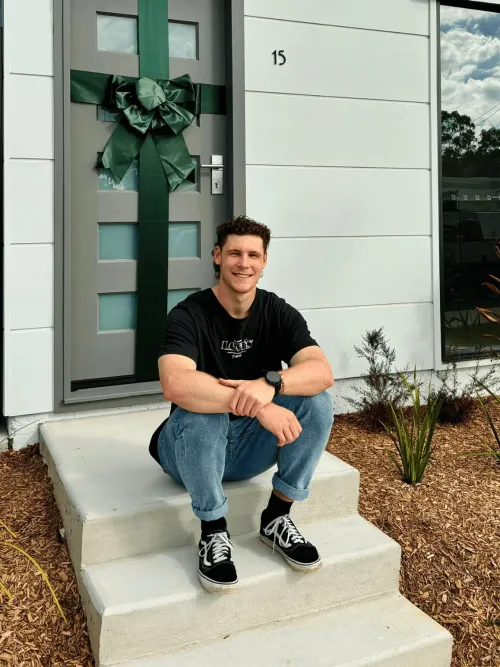
Matt, Occupational Therapist at Astrad

Matt

Occupational Therapist

AHPRA-registered
Niamh, Occupational Therapist at Astrad

Niamh

Occupational Therapist

AHPRA-registered
Elloise, Occupational Therapist at Astrad

Elloise

Occupational Therapist

AHPRA-registered
Bronwen, Occupational Therapist at Astrad

Bronwen

Occupational Therapist

AHPRA-registered
Monique, Occupational Therapist at Astrad

Monique

Occupational Therapist

AHPRA-registered
Sally, Occupational Therapist at Astrad

Sally

Occupational Therapist

AHPRA-registered
Sanskruti, Occupational Therapist at Astrad

Sanskruti

Occupational Therapist

AHPRA-registered
Mala, Occupational Therapist at Astrad

Mala

Occupational Therapist

AHPRA-registered
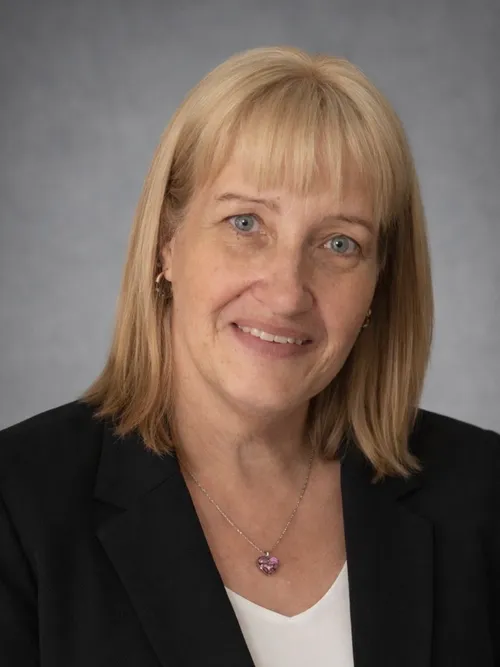
Milly, Psychologist at Astrad

Milly

Psychologist

AHPRA-registered
Teresa, Speech Pathologist at Astrad

Teresa

Speech Pathologist

SPA Certified Practising
April, Occupational Therapy Assistant at Astrad

April

Occupational Therapy Assistant

Under OT supervision
Georgie, Occupational Therapy Assistant at Astrad

Georgie

Occupational Therapy Assistant

Under OT supervision
Mia, Occupational Therapy Assistant at Astrad

Mia

Occupational Therapy Assistant

Under OT supervision
Liliana, Speech Therapy Assistant at Astrad

Liliana

Speech Therapy Assistant

Under SPA supervision
Delia, Client Intake Coordinator at Astrad

Delia

Client Intake Coordinator

Intake team
Bethany, Client Intake Coordinator at Astrad

Bethany

Client Intake Coordinator

Intake team

Swipe to see more

Request a clinician match

Tell us your preferences: gender, language, cultural background, clinical experience. We'll match you with a clinician who fits.

Transparent pricing

No surprises on your invoice

We can't list fixed prices publicly. What you pay depends on your funding stream, the service, and your location. But every Astrad client gets the same three things, in writing, before any visit is booked.

Request a written quote

A written quote before we start

Every client gets a clear written quote setting out session rates, expected travel time and any reports, before we schedule a single visit.

Within NDIS price limits

For NDIS participants we bill within the limits set out in the current NDIS Pricing Arrangements and Price Limits. No surprises at invoice time.

Travel disclosed up front

Travel and non-face-to-face time are always quoted in writing, at the rates allowed for your funding stream. What you see is what you pay.

Coverage

Mobile OT across four states

Our Occupational Therapists travel to you. At home, at school, at work or in the community. We cover metro and many regional areas across Queensland, NSW, Victoria and Tasmania. Not sure if we reach your postcode? Ask us. We usually confirm within one business day.

Check availability

Queensland

Brisbane, Gold Coast, Sunshine Coast, Ipswich, Logan, Toowoomba

New South Wales

Sydney, Central Coast, Wollongong, Newcastle

Victoria

Melbourne, Geelong, Bendigo, Ballarat

Tasmania

Hobart, Launceston, Devonport

Questions & answers

Assistive technology assessments: what support coordinators and participants ask

Questions about AT categories, NDIS AT funding tiers or what the report needs to include? Call (07) 3477 9366.

What is an assistive technology assessment?

An assistive technology (AT) assessment is an OT-led process that establishes what equipment a person needs to improve their function, safety or independence. The OT assesses the person's current abilities, the environment where the equipment will be used, and trialling suitable products. The outcome is a written AT report with specific product recommendations, clinical justification and (for NDIS-funded equipment) the supporting evidence the NDIA requires to approve the funding request.

What AT categories does an OT cover?

Our OTs assess and report on a broad range of AT including: wheelchairs (manual and power), specialised seating and positioning, shower and bathroom equipment, commode chairs, pressure care mattresses, hospital-grade beds, hoists and patient lifters, walking aids and frames, daily living aids (kitchen, dressing, writing), communication devices (AAC), and sensory equipment. Complex AT like power wheelchairs and AAC devices may require a specialist OT assessment.

What is the difference between low, mid and high-cost AT under the NDIS?

The NDIS categorises AT by cost and complexity. Low-cost AT (generally under $1,500) may be purchased without a formal assessment, though OT input is still recommended. Mid-cost AT requires an OT quote and justification. High-cost AT (like power wheelchairs and complex communication devices) requires a full OT assessment report and, in many cases, a trial of the equipment before the NDIA will approve the funding. We write reports for all three tiers.

Can my support coordinator refer for an AT assessment?

Yes. We receive AT referrals from support coordinators, plan managers, participants and their families, hospitals and other allied health professionals. No formal referral letter is required. Tell us the type of equipment being considered, the person's NDIS status and their location, and we'll confirm scope and turnaround.

Do you trial the equipment with the participant?

Where possible, yes. For higher-cost AT, trialling the equipment in the person's actual environment is best practice and is often expected by the NDIA. We coordinate with suppliers to arrange trials at the home visit where the AT category and timing allow.

How do you coordinate with NDIS suppliers?

Once the AT assessment is complete and we've identified the most appropriate products, we contact registered AT suppliers to obtain formal quotes in the format the NDIA requires. We include these quotes in the AT report package, so the support coordinator or plan manager has everything needed to submit the funding request.

How much does an AT assessment cost under NDIS?

For NDIS participants, OT time for an AT assessment is billed within the current NDIS Pricing Arrangements and Price Limits, typically from the Capacity Building budget. The total cost depends on the complexity of the AT, the number of products being assessed and travel. We provide a written quote before any visit is scheduled. Contact us for an indicative quote for your situation.

Ready when you are

Need an AT assessment? Let's confirm scope and get started.

Whether the referral is for a child who needs specialised seating, an adult requiring a power wheelchair, or an older person whose shower equipment needs updating, our OTs assess carefully and write reports that give the NDIA or funding body what it needs. Self-managed and plan-managed NDIS, HCP, DVA and private clients welcome. Call (07) 3477 9366 or submit the form.

We usually call back within one business day.

Mon–Fri 9am–5pm Brisbane time

Request a callback

We usually call back within one business day.

Call us