Skip to content
Astrad Allied Health
Call us
Paediatric OT · Sensory processing support

Sensory processing OT for children. At home, at school, wherever it matters.

AHPRA-registered mobile OTs supporting children with sensory processing differences across QLD, NSW, VIC and TAS.

Sensory processing differences affect how children take in, organise and respond to what they see, hear, touch, smell, taste and feel inside their bodies. Our OTs assess each child in the environments where they actually live and learn, then build a practical programme with parents, teachers and carers around goals that matter for daily life.

  • AHPRA-registered Occupational Therapists
  • Assessed at home, school or community
  • NDIS self- and plan-managed, private
  • Mobile across QLD, NSW, VIC & TAS
Call (07) 3477 9366

You'll speak with one of our AHPRA-registered OTs.

Book a callback

We usually call back within one business day.

  • Free intake call
  • No obligation
  • No referral needed
Your info stays confidential. Privacy policy.

Mobile OT for children, adults & older people

AHPRA-registered OTs
Paediatric & adult OT
NDIS self- & plan-managed
Aged Care, DVA & private
Home, school, community
Paediatric OT · Sensory processing

What sensory processing OT actually looks like

Sensory processing OT starts with understanding how your child's nervous system is taking in and responding to the world, not just listing what they find hard. Your OT maps your child's sensory profile across all eight sensory systems (including proprioception and the vestibular system, not just the five you learned in school), then builds a programme that targets the real triggers in your child's real environments: the classroom, the dinner table, the morning routine.

Sensory profiling and assessment

Your OT uses standardised sensory assessments alongside parent and teacher questionnaires to build a detailed profile of how your child processes sensory input. This goes beyond "over" or "under" responsive: it looks at which sensory systems are most affected, in which contexts, and what the functional impact is at home and school.

Home environment adjustments

Many sensory triggers are environmental and can be modified. Your OT will assess your home and identify practical adjustments: lighting, clothing choices, furniture layout, noise reduction strategies and changes to daily routines that reduce unnecessary sensory load before it builds into overwhelm.

Regulation before school

Morning routines are often the hardest part of the day for sensory-sensitive children. Your OT builds a short pre-school sensory diet: specific movement, pressure or organising activities that prepare the nervous system for the sensory demands of a classroom before your child walks through the gate.

Sensory breaks during the day

Sustained sensory input at school builds gradually and can tip a child from regulated to overwhelmed without warning. Your OT designs structured sensory breaks, specific activities timed into the school day to discharge sensory load and help your child reset, then provides written strategies the teacher can use directly.

Mealtime and clothing sensitivities

Texture aversions at mealtimes and clothing sensitivities (tags, seams, sock elastics) are among the most common and disruptive sensory challenges families bring to OT. Your OT works through a graded exposure approach alongside practical modifications: alternative clothing options, food chaining strategies and consistent mealtime routines.

Parent coaching on triggers and responses

How a family responds to sensory-driven behaviour shapes whether it escalates or settles. Your OT coaches parents on how to read early signs of sensory overload, what helps versus what inadvertently increases arousal, and how to implement sensory strategies consistently across the day, not just in OT sessions.

How it works

Getting started with a mobile OT

Whether NDIS, aged care, DVA or private, the admin can feel complicated. We handle the paperwork and explain the funding options in plain English so you can focus on the person, not the process.

01

Call us or request a callback

Phone (07) 3477 9366 or drop your details in the form. Our intake team usually responds within one business day. We'll ask about age, goals, funding and where you're based.

02

Matched with the right Occupational Therapist

We pair you with an AHPRA-registered OT experienced in your context: paediatric, adult, older adult, rehab or reports. You know who's coming, and why they're the right fit.

03

Mobile OT, we come to you

Your OT visits you at home, at school, at work or in the community. We build a personalised plan, document progress, and coordinate with your supports, GP or support coordinator.

Meet the team

The people behind every visit

Our Occupational Therapists are AHPRA-registered, supported by OT assistants, a psychologist, a speech pathologist and a warm admin team who'll be your first point of contact. Small enough to know your name, big enough to match you with someone whose experience fits your goals.

AHPRA-registered OTs SPA Certified Speech Pathologist Coverage across QLD, NSW, VIC, TAS
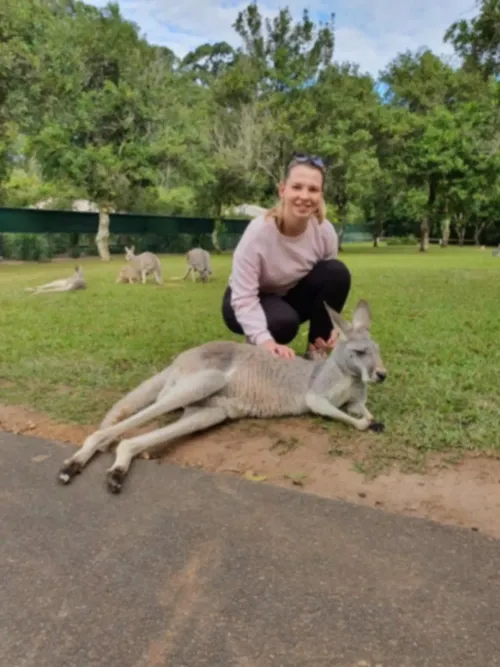
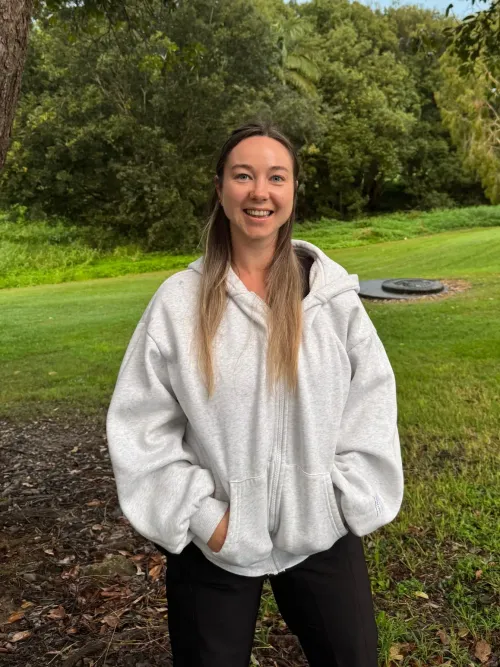
Emily, Occupational Therapist at Astrad

Emily

Occupational Therapist

AHPRA-registered
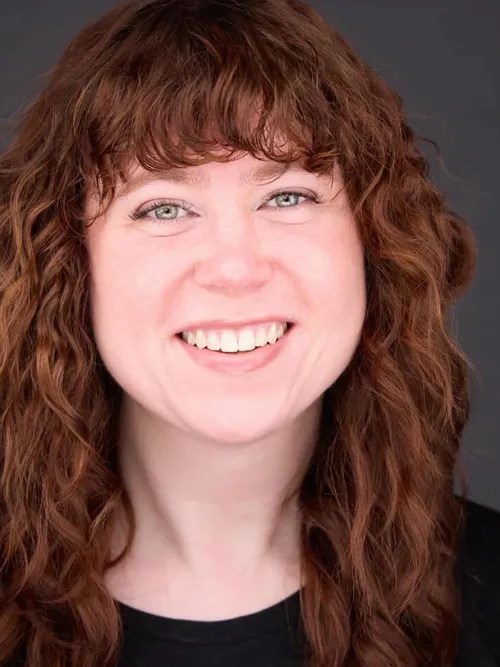
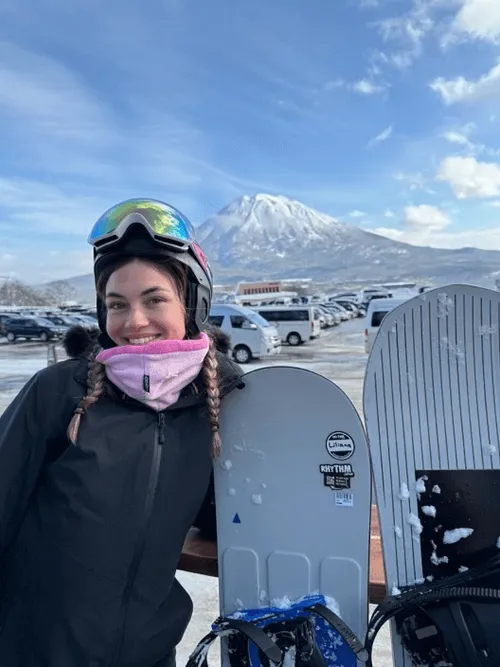
Jamie, Occupational Therapist at Astrad

Jamie

Occupational Therapist

AHPRA-registered
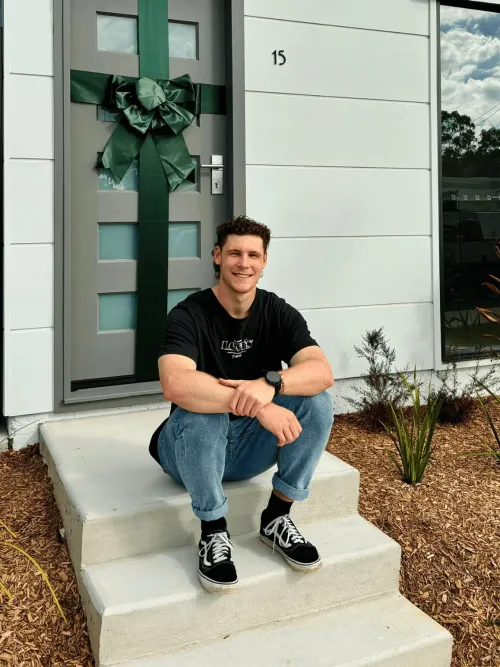
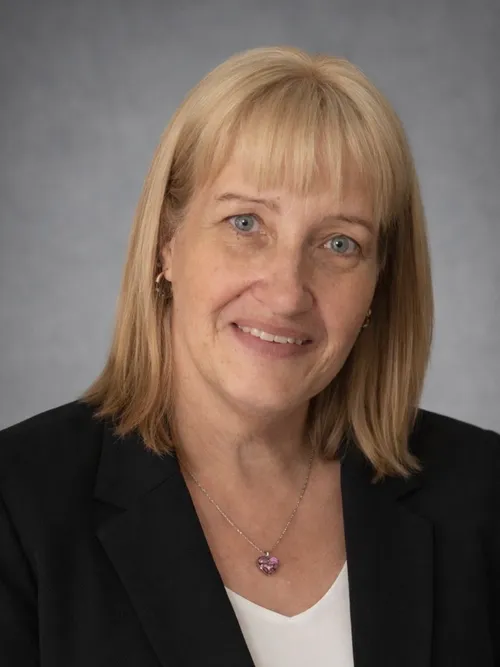
Lachlan, Occupational Therapist at Astrad

Lachlan

Occupational Therapist

AHPRA-registered
Andrew, Occupational Therapist at Astrad

Andrew

Occupational Therapist

AHPRA-registered
Matt, Occupational Therapist at Astrad

Matt

Occupational Therapist

AHPRA-registered
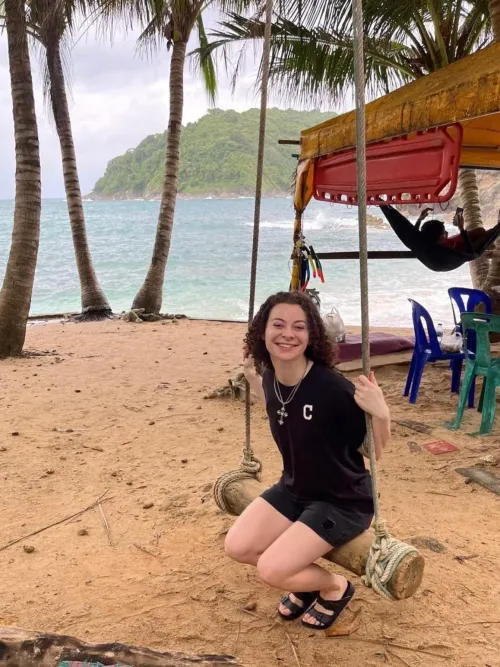
Niamh, Occupational Therapist at Astrad

Niamh

Occupational Therapist

AHPRA-registered
Elloise, Occupational Therapist at Astrad

Elloise

Occupational Therapist

AHPRA-registered
Bronwen, Occupational Therapist at Astrad

Bronwen

Occupational Therapist

AHPRA-registered
Monique, Occupational Therapist at Astrad

Monique

Occupational Therapist

AHPRA-registered
Sally, Occupational Therapist at Astrad

Sally

Occupational Therapist

AHPRA-registered
Sanskruti, Occupational Therapist at Astrad

Sanskruti

Occupational Therapist

AHPRA-registered
Mala, Occupational Therapist at Astrad

Mala

Occupational Therapist

AHPRA-registered
Milly, Psychologist at Astrad

Milly

Psychologist

AHPRA-registered
Teresa, Speech Pathologist at Astrad

Teresa

Speech Pathologist

SPA Certified Practising
April, Occupational Therapy Assistant at Astrad

April

Occupational Therapy Assistant

Under OT supervision
Georgie, Occupational Therapy Assistant at Astrad

Georgie

Occupational Therapy Assistant

Under OT supervision
Mia, Occupational Therapy Assistant at Astrad

Mia

Occupational Therapy Assistant

Under OT supervision
Liliana, Speech Therapy Assistant at Astrad

Liliana

Speech Therapy Assistant

Under SPA supervision
Delia, Client Intake Coordinator at Astrad

Delia

Client Intake Coordinator

Intake team
Bethany, Client Intake Coordinator at Astrad

Bethany

Client Intake Coordinator

Intake team

Swipe to see more

Request a clinician match

Tell us your preferences: gender, language, cultural background, clinical experience. We'll match you with a clinician who fits.

Transparent pricing

No surprises on your invoice

We can't list fixed prices publicly. What you pay depends on your funding stream, the service, and your location. But every Astrad client gets the same three things, in writing, before any visit is booked.

Request a written quote

A written quote before we start

Every client gets a clear written quote setting out session rates, expected travel time and any reports, before we schedule a single visit.

Within NDIS price limits

For NDIS participants we bill within the limits set out in the current NDIS Pricing Arrangements and Price Limits. No surprises at invoice time.

Travel disclosed up front

Travel and non-face-to-face time are always quoted in writing, at the rates allowed for your funding stream. What you see is what you pay.

Coverage

Mobile OT across four states

Our Occupational Therapists travel to you. At home, at school, at work or in the community. We cover metro and many regional areas across Queensland, NSW, Victoria and Tasmania. Not sure if we reach your postcode? Ask us. We usually confirm within one business day.

Check availability

Queensland

Brisbane, Gold Coast, Sunshine Coast, Ipswich, Logan, Toowoomba

New South Wales

Sydney, Central Coast, Wollongong, Newcastle

Victoria

Melbourne, Geelong, Bendigo, Ballarat

Tasmania

Hobart, Launceston, Devonport

Questions & answers

Sensory processing OT: the common questions

Can't see your question? Call us and we'll answer it directly.

What does a sensory processing difference actually look like in a child?

It varies a lot. Some children are over-responsive (covering ears at normal noise, refusing certain textures, meltdowns at busy places). Others are under-responsive and seek strong input (crashing into things, mouthing objects, difficulty settling). Many children show a mix. An OT assessment looks at the full picture before drawing any conclusions.

Does my child need a diagnosis before seeing a sensory processing OT?

No. A diagnosis is not required to access OT support. Our OTs can assess sensory processing as part of a broader developmental concern, or as a standalone referral. If a diagnosis is relevant later, your OT will discuss the right pathway with you.

How is a sensory processing assessment done?

Our OT visits your home, your child's school or both. They observe your child in their natural setting, use standardised sensory assessments (including parent and teacher questionnaires), talk with you about daily routines, and document findings in a written report. The report includes recommended strategies and, where relevant, a therapy plan.

Will sessions happen at home or at school?

Most often both. A home visit lets us see morning routines, meal times and sensory triggers in your environment. A school visit gives us playground, classroom and transition context. We coordinate with teachers when parents give consent.

What does a sensory OT session look like for a young child?

Sessions are play-based and goal-directed. We might work on tolerance of messy textures during a craft activity, or practice a calming routine before homework. Parents take part so strategies transfer to real life between sessions, not just during OT visits.

Does NDIS fund sensory processing OT?

Yes. Sensory processing OT is funded under the Improved Daily Living budget (formerly Capacity Building) for self-managed and plan-managed NDIS participants. Our OTs work within the current NDIS Pricing Arrangements. If your child does not have NDIS, private fees are available and a written quote is provided before any sessions are booked.

How many sessions does sensory processing OT usually take?

There is no fixed number. After the initial assessment, your OT will discuss a realistic plan with you based on your child's goals, their age and how the strategies are being implemented at home and school. We review progress regularly and adjust the frequency as goals are met.

Ready when you are

Sensory differences affecting your child's daily life? Let's find out what is going on.

Our OTs assess your child in the places where sensory challenges actually happen: at home, at school, in the community. You get a written report with specific, practical strategies and a therapy plan built around your child's goals. NDIS self- and plan-managed, or private. No referral needed.

We usually call back within one business day.

Mon–Fri 9am–5pm Brisbane time

Request a callback

We usually call back within one business day.

Call us