An AHPRA-registered OT visits your home, assesses fall hazards and functional risks, and gives you practical, funded recommendations.
Falls are the leading cause of injury hospitalisation for older Australians, and most happen at home. Our mobile OTs carry out a thorough home falls risk assessment: looking at your environment, your strength, your balance, your medications and your daily routine. You receive a written report with clear, prioritised recommendations. Whether you're funded through a Home Care Package, the Commonwealth Home Support Programme, DVA or privately, we can help you take the next step.
AHPRA-registered OTs with aged-care experience
HCP (Level 1-4), CHSP, DVA & private funding accepted
You'll speak with one of our AHPRA-registered OTs.
Book a callback
We usually call back within one business day.
Free intake call
No obligation
No referral needed
Falls risk assessments for older adults
AHPRA-registered OTs
Home Care Package (HCP)
DVA Gold & White Card
CHSP & private
Home visits across 4 states
Older Adult OT · Falls risk
What a home falls risk assessment actually covers
Falls are the leading cause of injury hospitalisation for older Australians, and the vast majority happen at home. If you're looking into this for a parent or someone you care for, a falls risk assessment is not a single checklist walk-through. It's a clinical assessment of both the person and their environment, carried out by an AHPRA-registered OT, with a written report and specific recommendations your home care team can act on.
Home environment hazards
Your OT walks through each area of the home systematically: flooring transitions, loose rugs, furniture placement, stair condition, outdoor paths and steps, lighting in corridors and at night. The goal is to identify hazards that intersect with how the person actually moves through their day, not a generic safety checklist.
Functional balance and strength
Environmental hazards are only one side of falls risk. Your OT assesses the person's balance, leg strength, sit-to-stand transfers, walking pattern and endurance in the context of their own home. Functional ability that looked fine in a clinic may look quite different when navigating an uneven back path or a narrow bathroom doorway.
Footwear and clothing
Ill-fitting footwear, worn soles and inappropriate slippers are among the most commonly identified falls risk factors we see. Your OT reviews what the person typically wears at home and outside, and makes specific recommendations. Clothing that catches on furniture or restricts movement is also considered as part of this.
Medication review discussion
Certain medications and medication combinations increase falls risk through dizziness, low blood pressure, sedation or muscle weakness. Your OT does not prescribe or adjust medications, but they document the relevant medications noted during the visit and flag concerns for the GP or pharmacist to follow up as part of the written report.
Vision and lighting
Poor vision is a significant contributor to falls, particularly at night. Your OT assesses lighting levels in key areas (bathroom, bedroom, hallway), notes whether the person's vision has been reviewed recently, and recommends practical lighting improvements. Night-light placement, bedside lamp positioning and contrast at step edges are commonly addressed.
Post-fall confidence and re-engagement
Fear of falling is itself a falls risk factor. After a fall, many people significantly reduce their activity and mobility, which leads to deconditioning and increased risk over time. Your OT assesses fear of falling, its impact on daily activity, and recommends strategies to support safe re-engagement with activities that matter to the person.
Our OTs aim to help reduce falls risk through practical, evidence-based assessment and recommendations. Falls risk reduction is not the same as falls prevention, and we do not make guarantees about outcomes. The assessment gives you the clearest possible picture and a prioritised plan to act on.
How it works
Getting started with a mobile OT
Whether NDIS, aged care, DVA or private, the admin can feel complicated. We handle the paperwork and explain the funding options in plain English so you can focus on the person, not the process.
01
Call us or request a callback
Phone (07) 3477 9366 or drop your details in the form. Our intake team usually responds within one business day. We'll ask about age, goals, funding and where you're based.
02
Matched with the right Occupational Therapist
We pair you with an AHPRA-registered OT experienced in your context: paediatric, adult, older adult, rehab or reports. You know who's coming, and why they're the right fit.
03
Mobile OT, we come to you
Your OT visits you at home, at school, at work or in the community. We build a personalised plan, document progress, and coordinate with your supports, GP or support coordinator.
Meet the team
The people behind every visit
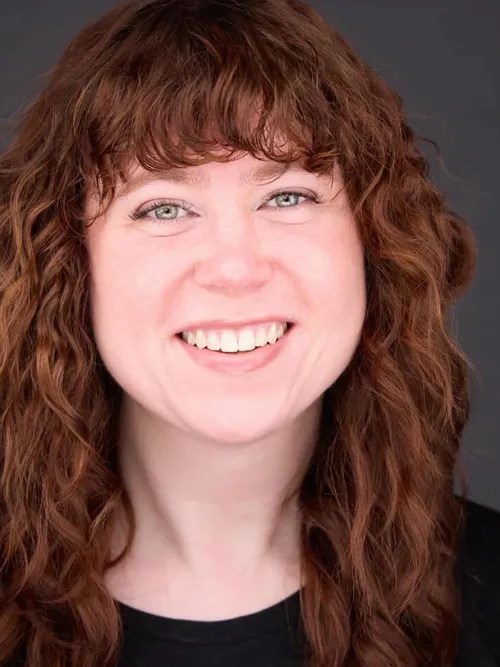
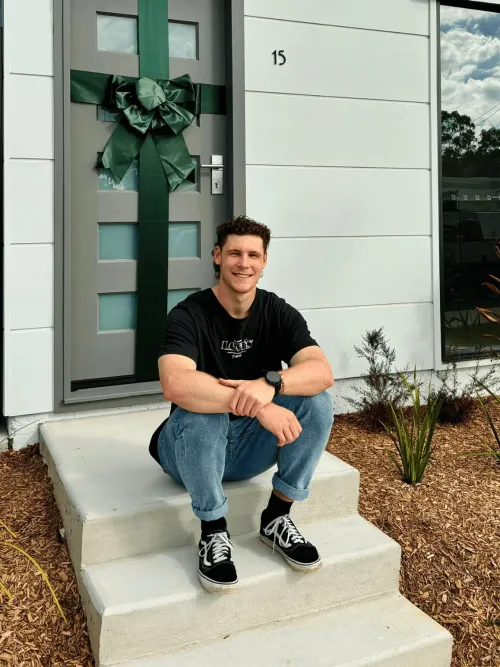
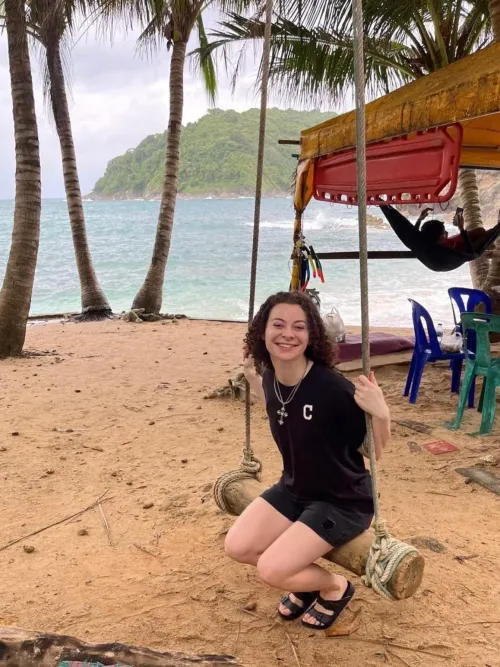
Our Occupational Therapists are AHPRA-registered, supported by OT assistants, a psychologist, a speech pathologist and a warm admin team who'll be your first point of contact. Small enough to know your name, big enough to match you with someone whose experience fits your goals.
AHPRA-registered OTs
SPA Certified Speech Pathologist
Coverage across QLD, NSW, VIC, TAS
Tell us your preferences: gender, language, cultural background, clinical
experience. We'll match you with a clinician who fits.
Transparent pricing
No surprises on your invoice
We can't list fixed prices publicly. What you pay depends on your funding stream, the service, and your location. But every Astrad client gets the same three things, in writing, before any visit is booked.
Every client gets a clear written quote setting out session rates, expected travel time and any reports, before we schedule a single visit.
Within NDIS price limits
For NDIS participants we bill within the limits set out in the current NDIS Pricing Arrangements and Price Limits. No surprises at invoice time.
Travel disclosed up front
Travel and non-face-to-face time are always quoted in writing, at the rates allowed for your funding stream. What you see is what you pay.
Coverage
Mobile OT across four states
Our Occupational Therapists travel to you. At home, at school, at work or in the community. We cover metro and many regional areas across Queensland, NSW, Victoria and Tasmania. Not sure if we reach your postcode? Ask us. We usually confirm within one business day.
These are the questions we hear most from adult children and carers. If yours isn't here, call us and we'll answer it directly.
When should Mum or Dad have a falls risk assessment?
Any of the following are good reasons to book: a recent fall or near-miss, a change in medication, increasing unsteadiness or balance concerns, discharge from hospital, new diagnosis (e.g. Parkinson's, stroke, macular degeneration), or a move to a new home. You don't need to wait for a crisis. An early assessment is far easier to act on than a reactive one after an injury.
What does a home falls risk assessment actually involve?
Our OT visits your home and looks at two things: the environment and the person. The environment assessment covers flooring, lighting, bathroom, toilet, stairs, outdoor areas and bedroom layout. The functional assessment looks at balance, strength, transfers (sitting to standing, in/out of bed), footwear, and how your daily routine intersects with risk. We also review relevant medications with you and note any vision or cognitive factors. You receive a written report with specific, prioritised recommendations.
Does a Home Care Package cover falls risk assessments?
Yes, in most cases. Falls risk assessments are a standard OT service funded through Home Care Packages (HCP Level 1-4) and through the Commonwealth Home Support Programme (CHSP). If the client has an active HCP, the home care provider coordinates the service. If you're not sure what funding is in place, call us. Our intake team can help you work out what applies.
Can DVA clients access falls risk assessments?
Yes. Veterans holding a DVA Gold Card can access OT services, including home falls risk assessments, at no cost to them. White Card holders may also be eligible depending on the accepted condition. We're experienced working with DVA clients and can liaise with the treating GP if a referral is needed.
How soon after a fall should we book an assessment?
As soon as the person is medically stable and at home. Ideally within one to two weeks of returning home from hospital or emergency. Post-fall, the risk of a second fall is highest in the weeks immediately after. We triage post-hospital and post-fall referrals and will tell you our availability in your area.
Can an OT recommend specific equipment to reduce falls risk?
Yes. Our OTs can prescribe and arrange supply of mobility aids, bathroom grab rails, non-slip bath mats, bed rails, rise-recliner chairs, non-slip flooring, and other equipment that reduces environmental risk. For funded clients (HCP, DVA, CHSP), equipment recommendations are included in the written report for your home care provider or case manager to action.
What's the difference between a falls risk assessment and a home modification assessment?
They often go hand in hand, but they're not the same. A falls risk assessment is a clinical assessment of the person's risk and the environmental factors contributing to it. A home modification assessment is the next step if structural changes are needed: things like ramps, grab rail installation, shower remodelling or step removal. Many clients need both, and we can provide both in the same visit or as a follow-up.
Ready when you are
Book a home falls risk assessment
Our mobile OTs visit you at home across QLD, NSW, VIC and TAS. Funded through HCP, CHSP, DVA or private. We'll help you understand what applies before we book. Most new referrals are seen within two to four weeks. Urgent post-hospital or post-fall cases are triaged.