


Skip to content
Astrad Allied Health
Call us
NDIS-ready reports · Letters of Support

OT letters of support for NDIS and funding requests, written to spec.

Evidence-based OT letters of support for NDIS access requests, plan reviews, assistive technology, home modifications and service appeals, for self- and plan-managed participants.

An OT letter of support is a shorter, targeted document that provides clinical evidence for a specific funding or service request. They are commonly needed for NDIS access requests, AT funding, home modification approvals, SIL or SDA applications, and NDIA plan review submissions where a full FCA isn't required. Our OTs write letters that are clear, specific and grounded in clinical observation, giving the NDIA or other funding body the functional evidence it needs to make a decision. We work with participants directly, and are happy to liaise with support coordinators and plan managers.

  • NDIS-standards evidence letters
  • Specific to the funding request
  • Support coordinator ready
  • Faster turnaround than full reports
Call (07) 3477 9366

You'll speak with one of our AHPRA-registered OTs.

Request a letter of support

We usually call back within one business day.

  • Free intake call
  • No obligation
  • No referral needed
Your info stays confidential. Privacy policy.

OT letters of support across QLD, NSW, VIC & TAS

AHPRA-registered OTs
NDIS self- & plan-managed
Support coordinators welcome
Plan managers welcome
Delivered within agreed timeframes
NDIS-ready reports · Letters of Support

When a letter of support is the right document and what it needs to contain

An OT letter of support is a targeted clinical document written for a specific funding or service request. It is shorter than a full assessment report, but it still needs to be grounded in current functional observation to carry weight with the NDIA or a funding body. Knowing when a letter is sufficient and when a full report is needed is the first thing to confirm at referral, and we'll tell you directly.

When a letter is appropriate vs a full report

A letter of support works well when there is an existing assessment on file and the request is for a specific, defined support: a piece of AT, a home modification, an increase in a particular support category, or evidence for a service appeal. A full assessment report is more appropriate for initial NDIS access, major plan reviews with significant funding changes, or new SIL and SDA applications. We advise on the right document at intake.


Grounding the letter in current function

A letter written purely from old records can be challenged if the participant's circumstances have changed. For participants already known to our team with recent clinical records, we can write from records. For new referrals or where significant time has passed since the last assessment, a brief home visit ensures the letter reflects current function. We'll confirm which approach is appropriate and build it into the quote.

What the letter addresses

A well-structured OT letter of support covers: who the writer is and their AHPRA registration; the participant's diagnosis and functional summary; the specific support being requested; the functional reason that support is clinically necessary; reference to any supporting assessments on file; and the OT's professional recommendation. The letter is addressed to the relevant decision-maker (NDIA, HCP provider, DVA, aged care assessor) and signed by the OT.

Common uses across funding streams

Letters of support are requested for: NDIS access requests establishing functional impact; AT funding requests where a full assessment already exists; home modification approvals through NDIS, HCP or DVA; SIL and SDA applications (supporting an existing FCA); NDIS plan review evidence for specific supports; internal NDIA reviews and AAT appeals; and aged care service requests. The purpose determines the content and we confirm scope before writing.

Turnaround and cost

Letters of support are typically faster and less expensive than full assessment reports. Where existing clinical records are available, turnaround can be as quick as one week. Where a home assessment visit is required, the full process is two to three weeks. Cost is based on OT time for review, any visit and writing, billed within NDIS Pricing Arrangements for NDIS participants. We provide a written quote before any work starts.

Using a letter for NDIA reviews and appeals

OT letters of support are regularly used in internal NDIA reviews (administrative review) and AAT appeals. If the letter is for an appeal or review, tell us at intake: the document needs to be structured to address the specific grounds for the review, and the language needs to be precise. We recommend that participants and support coordinators also seek disability advocacy or legal advice in parallel with the OT evidence.

An OT letter of support provides clinical evidence for a funding request. It does not guarantee approval of the request. Funding decisions are made by the relevant body (NDIA, HCP provider, DVA) based on the full evidence presented. For complex appeals or reviews, disability advocacy or legal advice is recommended alongside the OT letter.

How it works

From referral to letter of support in three steps

Letters of support are more targeted than full assessment reports, but they still need to be clinically grounded. We confirm the purpose of the letter before we write a word.

01

Referral in

Call (07) 3477 9366 or submit the form. Tell us what the letter is for (NDIS access, AT funding, home mods, SIL, plan review, other), the participant's current situation and any existing assessments or reports. We confirm whether a home assessment visit is needed or whether we can write from existing records, and provide a written quote.

02

Assessment visit or record review

For participants not already known to our team, a brief home assessment visit ensures the letter is grounded in current functional observation rather than historical records alone. For existing clients or where recent reports are available, the letter may be written from records. We'll confirm the right approach at intake.

03

Letter delivered to you and your support team

The completed letter of support is delivered digitally, typically faster than a full report. It is addressed to the relevant funding body or decision-maker, covers the specific clinical evidence needed, and is signed by the AHPRA-registered OT. We can send it directly to your support coordinator, plan manager or the NDIA as instructed.

Who we write letters for

Letters of support across every stage of life

Letters of support are needed across all age groups and all NDIS support categories. The purpose and content vary, but the need for clear, specific clinical evidence is consistent.

Birth

Kids

Birth – 17

Letters of support for children

For children, OT letters of support are commonly needed for NDIS access requests (establishing disability-related functional impact), early childhood intervention funding, equipment requests, school support documentation and requests for increased capacity building supports.

  • NDIS access and early intervention
  • Assistive technology for school and home
  • Equipment for self-care and daily living
  • School-based support requests
  • Plan review evidence
  • Specialist services referrals
Enquire about kids OT
18

Adults

18 – 64

Letters of support for adults

For working-age adults, letters of support are often needed for AT funding requests, home modification approvals, SIL and SDA applications, NDIS plan review evidence, DVA service requests and workers compensation documentation.

  • Assistive technology and equipment
  • Home modification support
  • SIL and SDA applications
  • NDIS plan review evidence
  • DVA and workers comp documentation
  • Employment-related support requests
Enquire about adults OT
65+

Older adults

65+

Letters of support for older adults

For older people, letters of support are used for Home Care Package reviews, NDIS access, DVA service requests, aged care placement documentation and home modification approvals through aged care funding programs.

  • Home Care Package reviews
  • Equipment and mobility aids
  • Home modification approvals
  • Aged care assessment support
  • DVA service requests
  • NDIS access for older participants
Enquire about older adults OT
Meet the team

The people behind every visit

Our Occupational Therapists are AHPRA-registered, supported by OT assistants, a psychologist, a speech pathologist and a warm admin team who'll be your first point of contact. Small enough to know your name, big enough to match you with someone whose experience fits your goals.

AHPRA-registered OTs SPA Certified Speech Pathologist Coverage across QLD, NSW, VIC, TAS
Emily, Occupational Therapist at Astrad

Emily

Occupational Therapist

AHPRA-registered
Jamie, Occupational Therapist at Astrad

Jamie

Occupational Therapist

AHPRA-registered
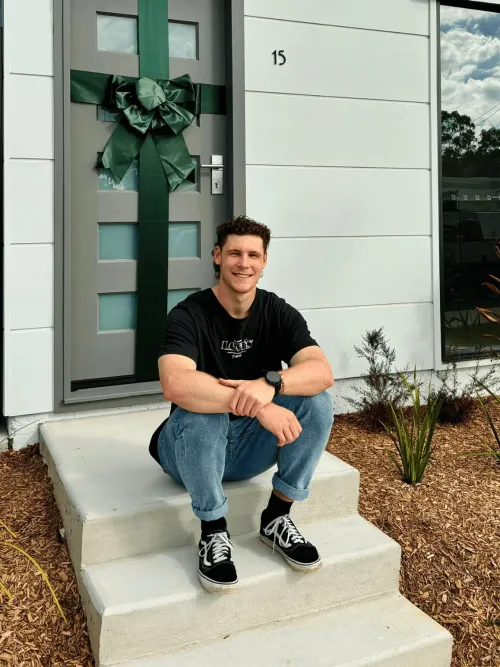
Lachlan, Occupational Therapist at Astrad

Lachlan

Occupational Therapist

AHPRA-registered
Andrew, Occupational Therapist at Astrad

Andrew

Occupational Therapist

AHPRA-registered
Matt, Occupational Therapist at Astrad

Matt

Occupational Therapist

AHPRA-registered
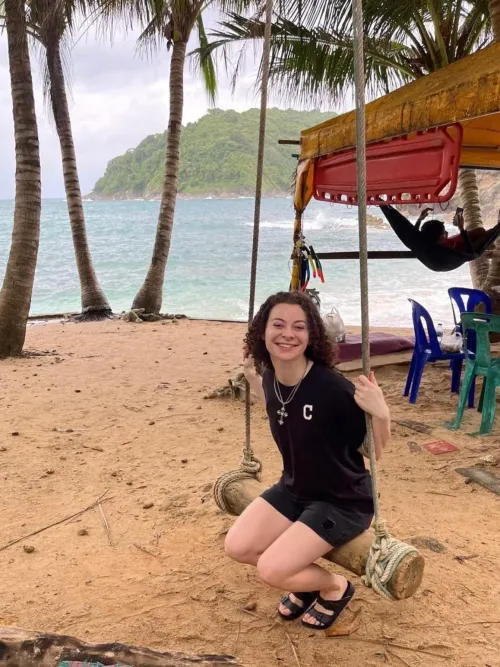
Niamh, Occupational Therapist at Astrad

Niamh

Occupational Therapist

AHPRA-registered
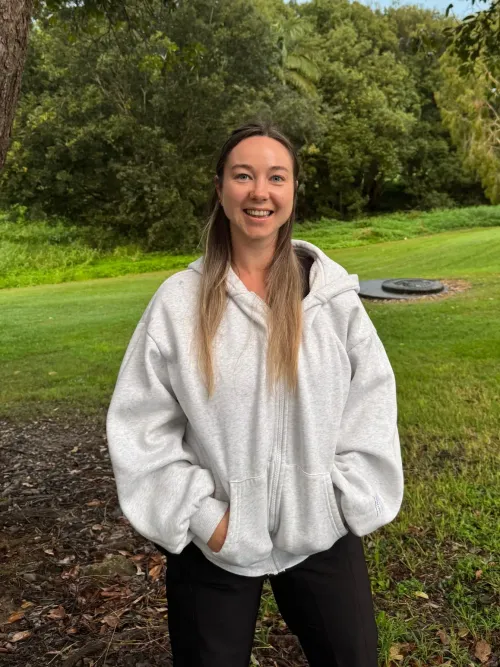
Elloise, Occupational Therapist at Astrad

Elloise

Occupational Therapist

AHPRA-registered
Bronwen, Occupational Therapist at Astrad

Bronwen

Occupational Therapist

AHPRA-registered
Monique, Occupational Therapist at Astrad

Monique

Occupational Therapist

AHPRA-registered
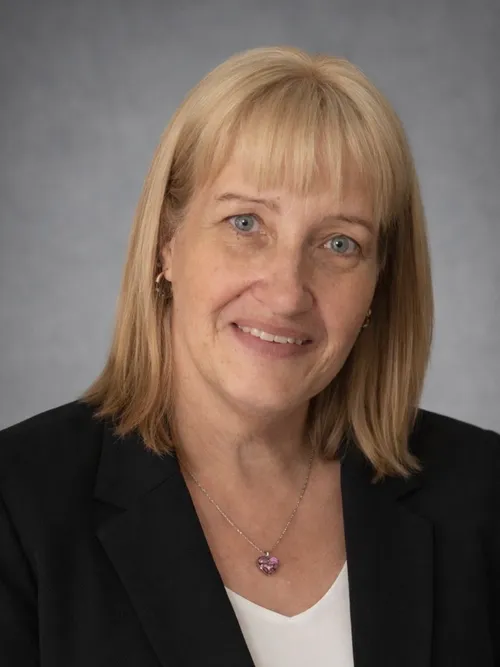
Sally, Occupational Therapist at Astrad

Sally

Occupational Therapist

AHPRA-registered
Sanskruti, Occupational Therapist at Astrad

Sanskruti

Occupational Therapist

AHPRA-registered
Mala, Occupational Therapist at Astrad

Mala

Occupational Therapist

AHPRA-registered
Milly, Psychologist at Astrad

Milly

Psychologist

AHPRA-registered
Teresa, Speech Pathologist at Astrad

Teresa

Speech Pathologist

SPA Certified Practising
April, Occupational Therapy Assistant at Astrad

April

Occupational Therapy Assistant

Under OT supervision
Georgie, Occupational Therapy Assistant at Astrad

Georgie

Occupational Therapy Assistant

Under OT supervision
Mia, Occupational Therapy Assistant at Astrad

Mia

Occupational Therapy Assistant

Under OT supervision
Liliana, Speech Therapy Assistant at Astrad

Liliana

Speech Therapy Assistant

Under SPA supervision
Delia, Client Intake Coordinator at Astrad

Delia

Client Intake Coordinator

Intake team
Bethany, Client Intake Coordinator at Astrad

Bethany

Client Intake Coordinator

Intake team

Swipe to see more

Request a clinician match

Tell us your preferences: gender, language, cultural background, clinical experience. We'll match you with a clinician who fits.

Transparent pricing

No surprises on your invoice

We can't list fixed prices publicly. What you pay depends on your funding stream, the service, and your location. But every Astrad client gets the same three things, in writing, before any visit is booked.

Request a written quote

A written quote before we start

Every client gets a clear written quote setting out session rates, expected travel time and any reports, before we schedule a single visit.

Within NDIS price limits

For NDIS participants we bill within the limits set out in the current NDIS Pricing Arrangements and Price Limits. No surprises at invoice time.

Travel disclosed up front

Travel and non-face-to-face time are always quoted in writing, at the rates allowed for your funding stream. What you see is what you pay.

Coverage

Mobile OT across four states

Our Occupational Therapists travel to you. At home, at school, at work or in the community. We cover metro and many regional areas across Queensland, NSW, Victoria and Tasmania. Not sure if we reach your postcode? Ask us. We usually confirm within one business day.

Check availability

Queensland

Brisbane, Gold Coast, Sunshine Coast, Ipswich, Logan, Toowoomba

New South Wales

Sydney, Central Coast, Wollongong, Newcastle

Victoria

Melbourne, Geelong, Bendigo, Ballarat

Tasmania

Hobart, Launceston, Devonport

Questions & answers

OT letters of support: what support coordinators and participants ask

Not sure whether you need a letter or a full report? Call (07) 3477 9366 and we'll tell you what's appropriate for the situation.

What is an OT letter of support?

An OT letter of support is a targeted clinical document written by an AHPRA-registered Occupational Therapist to support a specific funding or service request. It is shorter than a full assessment report but still grounded in clinical evidence. It is typically addressed to the NDIA, an aged care provider, a DVA case manager or another funding body, and explains the functional reasons why a particular support, piece of equipment or housing modification is clinically necessary.

When is a letter of support sufficient, and when do I need a full report?

A letter of support is generally appropriate when there is an existing assessment on file and the request is for a specific, clearly defined support (e.g., a piece of AT, a home modification, an increase in a particular support category). A full assessment report (such as an FCA) is usually needed for initial access to the NDIS, significant changes in funding, new SIL or SDA applications, or when no recent OT documentation exists. We'll advise on the right approach when you make contact.

Can a letter of support be written without a home assessment visit?

In some cases, yes. If we have recent clinical records, existing assessment reports and current knowledge of the participant's function, we can write a letter from records. However, if the person is not known to us or if significant time has passed since the last assessment, a brief home visit ensures the letter accurately reflects current function. We'll discuss this with you at intake.

Can my support coordinator request a letter on behalf of the participant?

Yes. We regularly receive letter of support requests from support coordinators and plan managers on behalf of their participants. Participant consent is confirmed before any letter is written. We can send the completed letter directly to the support coordinator, plan manager, the NDIA or whoever is instructed.

How quickly can you turn around a letter of support?

Letters of support are typically faster than full assessment reports. Where existing clinical records are available, turnaround can be as quick as one week. Where a home assessment visit is required, the full process is generally two to three weeks. If you have an urgent NDIA deadline, let us know at the time of referral and we'll advise whether an expedited timeline is possible.

What funding covers the cost of an OT letter of support?

OT time for writing letters of support is typically billed against the Capacity Building budget (Improved Daily Living) for NDIS participants, within the NDIS Pricing Arrangements and Price Limits. For aged care, DVA or private clients, the cost will depend on the scope and funding rules applicable to your situation. We provide a written quote before any work is started.

Can a letter of support be used to appeal an NDIS decision?

Yes. OT letters of support are commonly used as part of internal NDIA reviews (administrative review) and AAT (Administrative Appeals Tribunal) appeals when a funding decision is being challenged. If the letter is for an appeal, tell us at intake so we can ensure the document is structured appropriately and addresses the specific grounds for review. We recommend participants and support coordinators seek legal or disability advocacy advice in parallel.

Ready when you are

Need an OT letter of support? Tell us what it's for and we'll get it written.

Whether it's for an NDIS access request, an AT approval, a home modification, a plan review or an NDIA appeal, our OTs write clear, evidence-based letters of support that give the funding body what it needs. Self-managed and plan-managed NDIS, aged care, DVA and private clients welcome. Call (07) 3477 9366 or submit the form.

We usually call back within one business day.

Mon–Fri 9am–5pm Brisbane time

Request a callback

We usually call back within one business day.

Call us