


Skip to content
Astrad Allied Health
Call us
NDIS-ready reports · Cognitive Assessments

Cognitive assessments focused on daily function and safety, written to spec.

OT cognitive assessments for NDIS participants, aged care clients and DVA patients. How cognitive changes affect daily living, safety and support needs, assessed in the home.

An OT cognitive assessment looks at how a person's thinking, memory, attention and executive function affect their ability to manage daily tasks safely and independently at home. Unlike purely neuropsychological testing, an OT assessment focuses on functional performance: what the person can and cannot do in their real environment. The written report documents observed deficits, standardised test results and evidence-based recommendations for support, supervision and environmental modifications. We conduct the assessment in the home and write a clear report for the NDIS, aged care provider or treating team.

  • Function-focused cognitive assessment
  • Standardised and observational tools
  • NDIS, aged care and DVA funded
  • Typical turnaround 2–3 weeks
Call (07) 3477 9366

You'll speak with one of our AHPRA-registered OTs.

Request a cognitive assessment quote

We usually call back within one business day.

  • Free intake call
  • No obligation
  • No referral needed
Your info stays confidential. Privacy policy.

Cognitive OT assessments across QLD, NSW, VIC & TAS

AHPRA-registered OTs
NDIS self- & plan-managed
Home-based assessments
Aged Care, DVA & private
Plan managers welcome
NDIS-ready reports · Cognitive OT Assessments

What an OT cognitive assessment measures and what the report covers

An OT cognitive assessment is not a neuropsychological evaluation. It focuses on how changes in thinking, memory and executive function affect a person's ability to manage daily tasks at home, in the community and at work. That functional focus is exactly what funding bodies and treating teams need: not just test scores, but a clear picture of what the person can and cannot do safely, and what supports or environmental changes will help.

Standardised tools used and why

Our OTs use standardised cognitive screening and functional assessment tools appropriate to the person's age, diagnosis and the purpose of the report. Commonly used tools include the MoCA, MMSE and IADL assessments, as well as executive function and processing speed measures. The specific tools selected are documented and clinically justified in the report. OTs use tools within their AHPRA-registered scope of practice; where full neuropsychological evaluation is indicated, we'll note this in the report.


Functional task observation at home

Standardised tools alone don't tell the whole story. The OT observes the person performing real daily tasks in their actual environment: making a cup of tea, managing medication, using a phone, handling household finances, navigating the neighbourhood. These observations capture what cognitive testing in a clinic often misses: the gap between what someone can do in a structured test and what they can manage independently at home.

Safety, supervision and daily living domains

The report addresses specific daily living domains where cognitive function is critical: medication management, meal preparation, financial management, personal hygiene, home safety (stove, appliances, responding to emergencies) and community access. For each domain, the OT documents the person's current performance, the level of supervision or prompting required, and the nature of any observed safety risks. This is the section referrers use most.

Report structure and clinical interpretation

The cognitive assessment report covers: referral context and reason for assessment; background history; assessment tools used with results and clinical interpretation; functional observations across daily living domains; summary of current support and supervision needs; and evidence-based recommendations for the funding body or treating team. Standardised scores are presented with plain-language interpretation so the report is useful to non-clinical readers.

Scope: what OT cognitive assessment does and does not cover

OT cognitive assessments establish functional capacity across daily living domains and inform support and supervision recommendations. They do not constitute formal legal capacity determinations. If the referral involves decision-making capacity under guardianship or administration frameworks, that requires input from a medical practitioner or specialist team, and we'll confirm appropriate scope at intake. The distinction matters and we apply it consistently.

Funding and who refers

Referrals come from GPs, geriatricians, neurologists, support coordinators, aged care providers, DVA case managers and families. For NDIS participants, assessment costs are typically billed against the Capacity Building budget. For older adults, Home Care Package or private funding may apply. DVA clients may be eligible under the DVA Allied Health scheme. We provide a written quote before any visit is scheduled, and the report is sent to whoever the participant nominates.

OT cognitive assessments document functional capacity across daily living domains. Formal legal capacity determinations under guardianship or administration legislation require input from a medical practitioner or specialist team and are outside OT scope. If your referral involves legal capacity, please discuss this with our intake team before booking.

How it works

From referral to cognitive assessment report in three steps

Cognitive assessments require careful preparation, a comfortable assessment environment and clear reporting. We handle the scheduling and explain the process to participants and families before the visit.

01

Referral in

Call (07) 3477 9366 or submit the form. Referrals come from GPs, neurologists, geriatricians, support coordinators, aged care providers and participants' families. Tell us what cognitive concerns are being assessed and the purpose of the report (NDIS, aged care, DVA, legal capacity, or other). We'll confirm scope and provide a written quote.

02

Home assessment visit

An AHPRA-registered OT conducts the assessment in the person's home. We use a combination of standardised cognitive screening tools, functional task observation, and clinical interview (with the person and, where appropriate, a carer or family member). The visit typically takes one to two hours.

03

Report delivered to you and your team

The completed cognitive assessment report is delivered digitally within two to three weeks. It covers assessment tools used, observed functional performance, standardised scores and their clinical significance, and evidence-based recommendations for the funding body or treating team. We can send the report to the referring GP, support coordinator, plan manager or aged care provider.

Who we assess

Cognitive OT assessments across every stage of life

Cognitive difficulties affect people of all ages and arise from many different conditions. Our OTs are experienced across the range of conditions that commonly require cognitive assessment.

Birth

Kids

Birth – 17

Cognitive and executive function in children

For children, OT cognitive assessments often focus on executive function, attention, processing speed and their impact on daily living, school participation and self-care. Relevant for children with acquired brain injury, ADHD, autism or developmental concerns.

  • Attention and concentration
  • Executive function and planning
  • Processing speed
  • Memory and learning
  • Impact on daily living and school
  • Recommendations for support and strategies
Enquire about kids OT
18

Adults

18 – 64

Cognitive assessments for adults

For working-age adults, OT cognitive assessments are common following acquired brain injury (ABI), stroke, neurological conditions (MS, Parkinson's), mental health conditions, and in DVA and workers compensation contexts. The report examines how cognitive changes affect work capacity, safety and independence.

  • Memory and new learning
  • Attention and dual-tasking
  • Executive function and problem-solving
  • Work and study capacity
  • Safety awareness and risk
  • Support needs and environmental modifications
Enquire about adults OT
65+

Older adults

65+

Cognitive assessments for older adults

Cognitive assessment is one of the most common OT referrals for older people. Reports support aged care planning, Home Care Package decisions, driving cessation assessments, capacity concerns, falls management and NDIS access for younger people with dementia.

  • Memory and orientation
  • Safety at home (stove, medication, mobility)
  • IADLs (finances, phone, medication management)
  • Driving and community safety
  • Carer and supervision needs
  • Environmental modification recommendations
Enquire about older adults OT
Meet the team

The people behind every visit

Our Occupational Therapists are AHPRA-registered, supported by OT assistants, a psychologist, a speech pathologist and a warm admin team who'll be your first point of contact. Small enough to know your name, big enough to match you with someone whose experience fits your goals.

AHPRA-registered OTs SPA Certified Speech Pathologist Coverage across QLD, NSW, VIC, TAS
Emily, Occupational Therapist at Astrad

Emily

Occupational Therapist

AHPRA-registered
Jamie, Occupational Therapist at Astrad

Jamie

Occupational Therapist

AHPRA-registered
Lachlan, Occupational Therapist at Astrad

Lachlan

Occupational Therapist

AHPRA-registered
Andrew, Occupational Therapist at Astrad

Andrew

Occupational Therapist

AHPRA-registered
Matt, Occupational Therapist at Astrad

Matt

Occupational Therapist

AHPRA-registered
Niamh, Occupational Therapist at Astrad

Niamh

Occupational Therapist

AHPRA-registered
Elloise, Occupational Therapist at Astrad

Elloise

Occupational Therapist

AHPRA-registered
Bronwen, Occupational Therapist at Astrad

Bronwen

Occupational Therapist

AHPRA-registered
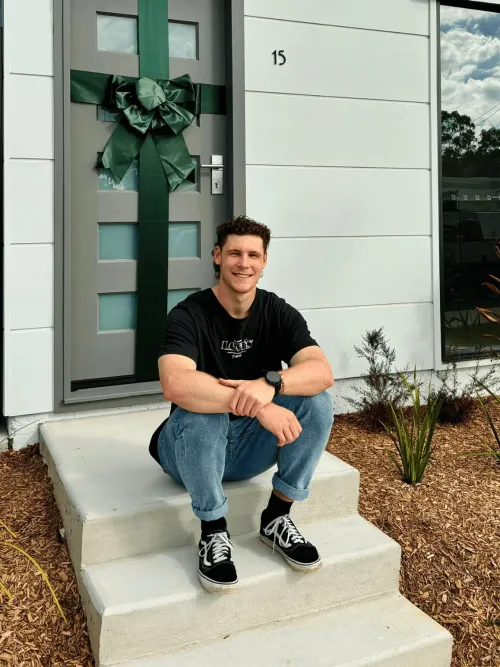
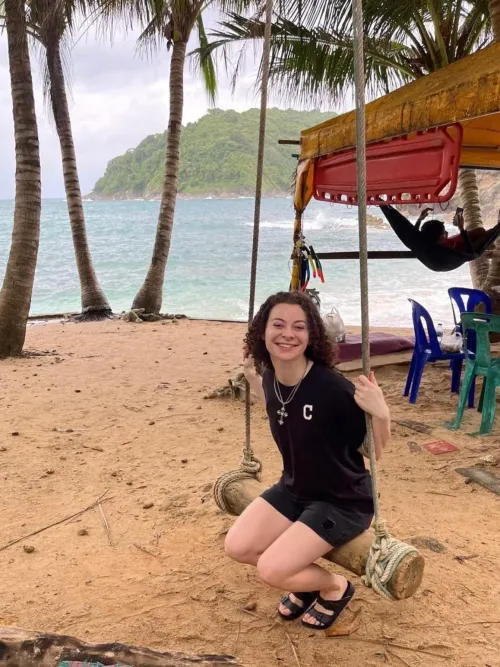
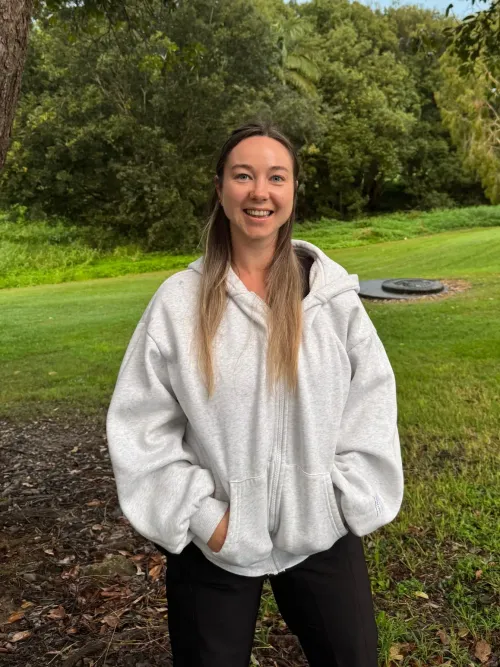
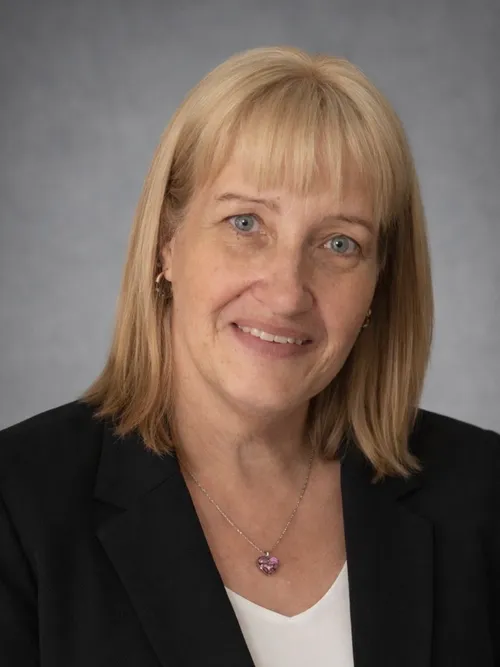
Monique, Occupational Therapist at Astrad

Monique

Occupational Therapist

AHPRA-registered
Sally, Occupational Therapist at Astrad

Sally

Occupational Therapist

AHPRA-registered
Sanskruti, Occupational Therapist at Astrad

Sanskruti

Occupational Therapist

AHPRA-registered
Mala, Occupational Therapist at Astrad

Mala

Occupational Therapist

AHPRA-registered
Milly, Psychologist at Astrad

Milly

Psychologist

AHPRA-registered
Teresa, Speech Pathologist at Astrad

Teresa

Speech Pathologist

SPA Certified Practising
April, Occupational Therapy Assistant at Astrad

April

Occupational Therapy Assistant

Under OT supervision
Georgie, Occupational Therapy Assistant at Astrad

Georgie

Occupational Therapy Assistant

Under OT supervision
Mia, Occupational Therapy Assistant at Astrad

Mia

Occupational Therapy Assistant

Under OT supervision
Liliana, Speech Therapy Assistant at Astrad

Liliana

Speech Therapy Assistant

Under SPA supervision
Delia, Client Intake Coordinator at Astrad

Delia

Client Intake Coordinator

Intake team
Bethany, Client Intake Coordinator at Astrad

Bethany

Client Intake Coordinator

Intake team

Swipe to see more

Request a clinician match

Tell us your preferences: gender, language, cultural background, clinical experience. We'll match you with a clinician who fits.

Transparent pricing

No surprises on your invoice

We can't list fixed prices publicly. What you pay depends on your funding stream, the service, and your location. But every Astrad client gets the same three things, in writing, before any visit is booked.

Request a written quote

A written quote before we start

Every client gets a clear written quote setting out session rates, expected travel time and any reports, before we schedule a single visit.

Within NDIS price limits

For NDIS participants we bill within the limits set out in the current NDIS Pricing Arrangements and Price Limits. No surprises at invoice time.

Travel disclosed up front

Travel and non-face-to-face time are always quoted in writing, at the rates allowed for your funding stream. What you see is what you pay.

Coverage

Mobile OT across four states

Our Occupational Therapists travel to you. At home, at school, at work or in the community. We cover metro and many regional areas across Queensland, NSW, Victoria and Tasmania. Not sure if we reach your postcode? Ask us. We usually confirm within one business day.

Check availability

Queensland

Brisbane, Gold Coast, Sunshine Coast, Ipswich, Logan, Toowoomba

New South Wales

Sydney, Central Coast, Wollongong, Newcastle

Victoria

Melbourne, Geelong, Bendigo, Ballarat

Tasmania

Hobart, Launceston, Devonport

Questions & answers

Cognitive OT assessments: what referrers and families ask

Questions about what the assessment covers, how it differs from neuropsychological testing, or how to fund it? Call (07) 3477 9366.

What does an OT cognitive assessment cover?

An OT cognitive assessment examines how changes in thinking, memory, attention and executive function affect a person's ability to manage daily tasks safely. This includes self-care (medication management, meal preparation, personal hygiene), home management (finances, phone use, household tasks), community participation and, where relevant, work or driving. We use standardised tools and functional task observation to build a complete picture.

How is an OT cognitive assessment different from neuropsychological testing?

Neuropsychological testing is typically conducted by a psychologist and focuses on measuring cognitive abilities across standardised domains. An OT cognitive assessment focuses on how cognitive abilities (or their limitations) translate into functional performance in daily life. The two types of assessments are complementary. An OT report is often what funding bodies require because it connects the cognitive findings to specific support needs and daily living recommendations.

Which standardised tools do you use?

Our OTs use a range of standardised cognitive screening and functional assessment tools appropriate to the person's age, diagnosis and the purpose of the assessment. Commonly used tools include the MoCA (Montreal Cognitive Assessment), MMSE, IADL assessments, and executive function measures. The specific tools used will be documented and justified in the report. Note that OTs use tools within their scope of practice; for full neuropsychological evaluation, a referral to a psychologist is appropriate.

Can you assess capacity to manage finances or make decisions?

OTs can assess functional capacity in specific domains such as financial management, medication management and home safety. These assessments inform recommendations about supervision and support needs. Formal legal capacity assessments (for decision-making under guardianship and administration frameworks) require input from a medical practitioner or specialist team. If your referral involves legal capacity, please discuss this with our intake team so we can confirm the appropriate scope.

Who typically refers for a cognitive OT assessment?

Referrals come from GPs, geriatricians, neurologists, psychiatrists, support coordinators, aged care providers, DVA case managers and families. No formal referral letter is required to book with us. We ask that you describe the purpose of the assessment (NDIS, aged care planning, safety concerns, DVA, workers comp) so we can scope the report appropriately.

How is the assessment funded?

For NDIS participants, OT cognitive assessments are typically billed against the Capacity Building budget, within NDIS Pricing Arrangements and Price Limits. For older adults, assessment costs may be covered under a Home Care Package or privately. DVA clients may be eligible for coverage under the DVA Allied Health scheme. We provide a written quote before any visit is scheduled.

Is the assessment conducted at home?

Yes. Conducting the cognitive assessment in the person's home is clinically important, particularly for functional assessments. It allows us to observe actual performance on everyday tasks (like making a cup of tea, taking medication or using the phone) rather than relying solely on performance in a clinical environment, which can underestimate or overestimate a person's real-world function.

Ready when you are

Need a cognitive OT assessment? Let's discuss the scope.

Whether you're a support coordinator seeking cognitive assessment evidence for an NDIS plan review, a GP needing functional documentation for an older patient, or a family with safety concerns about a loved one at home, our OTs conduct thorough in-home cognitive assessments and deliver clear, well-evidenced reports. Call (07) 3477 9366 or submit the form and we'll get back to you within one business day.

We usually call back within one business day.

Mon–Fri 9am–5pm Brisbane time

Request a callback

We usually call back within one business day.

Call us