

Skip to content
Astrad Allied Health
Call us
Adult OT · Neurological rehabilitation

Neurological OT rehabilitation at home, not a clinic.

AHPRA-registered OTs supporting adults after stroke, brain injury, MS, Parkinson's and other neurological conditions, in your home and community.

Neurological rehabilitation works best when it happens in the real environment, not a clinic. Our mobile OTs visit you at home and in the community to work on the tasks that matter most: getting dressed, preparing meals, managing the home, staying safe, and getting back to work or study. We use evidence-based neurological rehab approaches and work alongside your treating team to support meaningful progress toward your goals.

  • In-home neuro OT, visits at home and in the community
  • Stroke, ABI, MS, Parkinson's, spinal cord injury and more
  • NDIS self- and plan-managed, DVA and private funding
  • AHPRA-registered OTs coordinating with your treating team
Call (07) 3477 9366

You'll speak with one of our AHPRA-registered OTs.

Book a callback

We usually call back within one business day.

  • Free intake call
  • No obligation
  • No referral needed
Your info stays confidential. Privacy policy.

Neurological OT rehabilitation across four states

AHPRA-registered OTs
NDIS self- and plan-managed
Home and community visits
DVA and private funding
Stroke, ABI and MS
Adult OT · Neurological rehabilitation

Neurological OT: what the work actually looks like

Neurological rehabilitation done in a clinic rarely transfers cleanly to real life. The kitchen layout is different, the bathroom is different, the routines are different. Our OTs work in your home and community because that is where the gains need to stick. We use evidence-based neurological rehab approaches and focus on the tasks that matter most to you, not what's easiest to measure in a clinic.

Neurological functional assessment

Your OT starts with a structured assessment of how the neurological condition has affected your ability to perform daily tasks, self-care, home management and work or community participation. This establishes a clear baseline, identifies priority areas and informs your NDIS plan, your treating team's goals, and any funding body reports. The assessment is conducted in your home, not a clinic.
Motor retraining for daily tasks

After stroke, brain injury or with a progressive condition, the motor control needed for dressing, meal preparation, washing and other daily tasks can change significantly. Your OT works on these tasks directly, using task-specific practice and neuroplasticity-informed approaches to support the recovery of functional movement in the actual contexts where it is needed.

Cognitive and executive function strategies

Memory, attention, planning, processing speed and problem-solving are frequently affected by neurological conditions. Your OT works on the functional impact of these impairments through compensatory strategies, environmental structure, routine design and adapted tools, supporting daily independence without requiring the underlying impairment to fully resolve.

Fatigue management

Neurological fatigue is distinct from ordinary tiredness and does not respond the same way to rest. Your OT introduces pacing strategies, activity scheduling and energy mapping tailored to your neurological profile, so meaningful tasks get done without triggering a significant fatigue episode. This is particularly relevant for MS, acquired brain injury and post-stroke presentations.

Home safety and environment modification

Neurological conditions can create specific hazards at home: falls risk from weakness or balance impairment, navigation difficulty from visual or spatial changes, or safety concerns with cooking and medication management. Your OT identifies risks, recommends specific modifications and equipment, and writes the reports required for funding through NDIS or other pathways.

Assistive technology and equipment prescription

The right equipment can significantly extend what you can do independently. Your OT assesses your needs, trials options with you, and prescribes assistive technology ranging from mobility aids and bathroom equipment to communication devices, smart home adaptations and vision aids. AT reports for NDIS are written to scheme requirements and include evidence of need and trialling.

NDIS (self- and plan-managed) is the most common funding pathway for adults with neurological conditions. DVA covers eligible veterans. Private health insurance may contribute depending on your extras cover. We can help you identify the right funding pathway before your first appointment.

How it works

Getting started with a mobile OT

Whether NDIS, aged care, DVA or private, the admin can feel complicated. We handle the paperwork and explain the funding options in plain English so you can focus on the person, not the process.

01

Call us or request a callback

Phone (07) 3477 9366 or drop your details in the form. Our intake team usually responds within one business day. We'll ask about age, goals, funding and where you're based.

02

Matched with the right Occupational Therapist

We pair you with an AHPRA-registered OT experienced in your context: paediatric, adult, older adult, rehab or reports. You know who's coming, and why they're the right fit.

03

Mobile OT, we come to you

Your OT visits you at home, at school, at work or in the community. We build a personalised plan, document progress, and coordinate with your supports, GP or support coordinator.

Meet the team

The people behind every visit

Our Occupational Therapists are AHPRA-registered, supported by OT assistants, a psychologist, a speech pathologist and a warm admin team who'll be your first point of contact. Small enough to know your name, big enough to match you with someone whose experience fits your goals.

AHPRA-registered OTs SPA Certified Speech Pathologist Coverage across QLD, NSW, VIC, TAS
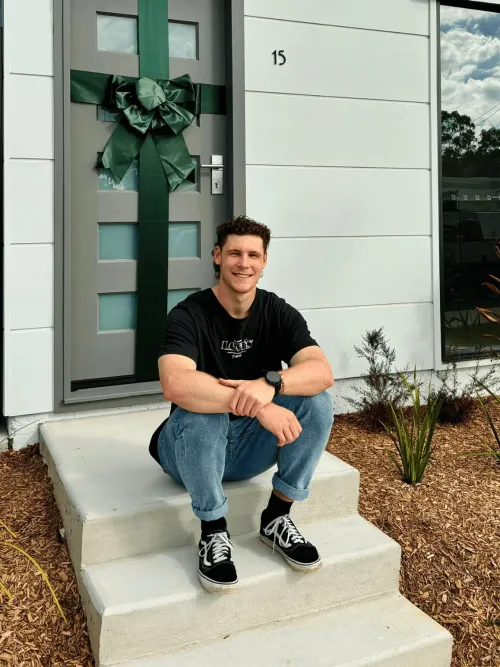
Emily, Occupational Therapist at Astrad

Emily

Occupational Therapist

AHPRA-registered
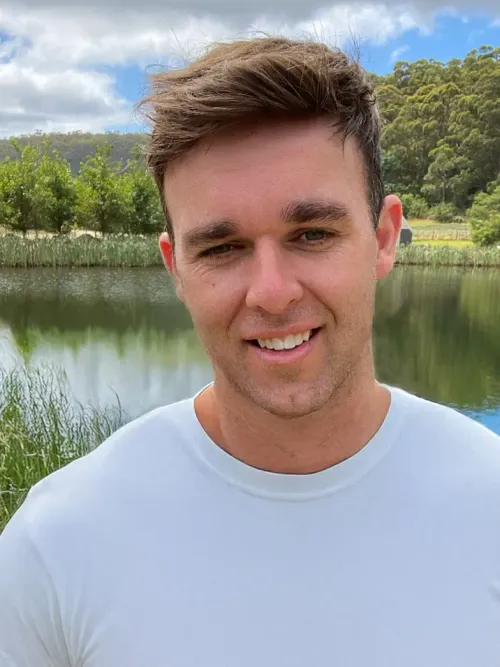
Jamie, Occupational Therapist at Astrad

Jamie

Occupational Therapist

AHPRA-registered
Lachlan, Occupational Therapist at Astrad

Lachlan

Occupational Therapist

AHPRA-registered
Andrew, Occupational Therapist at Astrad

Andrew

Occupational Therapist

AHPRA-registered
Matt, Occupational Therapist at Astrad

Matt

Occupational Therapist

AHPRA-registered
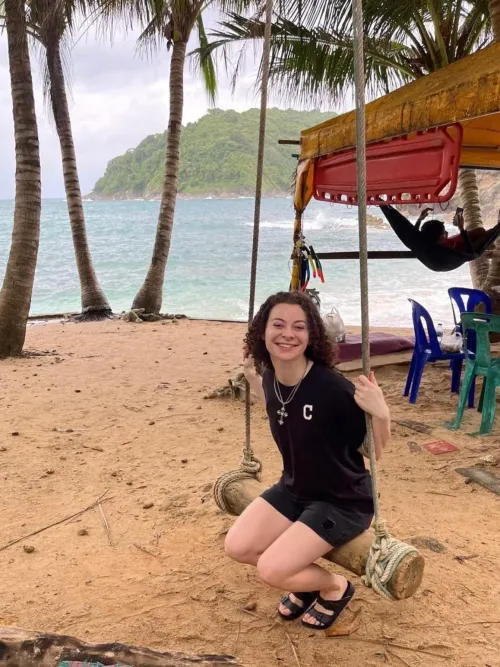
Niamh, Occupational Therapist at Astrad

Niamh

Occupational Therapist

AHPRA-registered
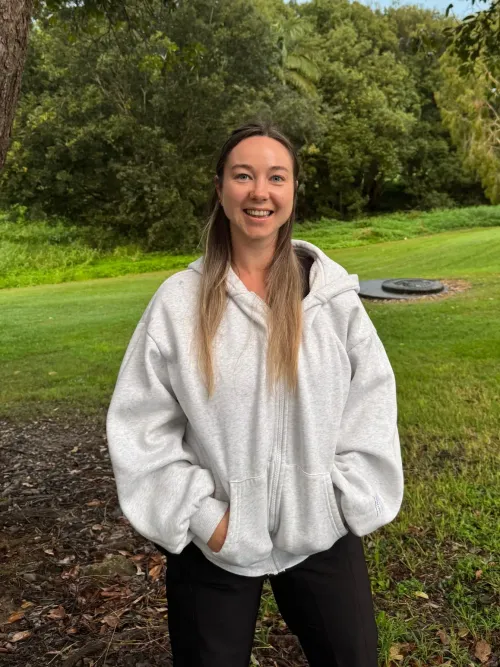
Elloise, Occupational Therapist at Astrad

Elloise

Occupational Therapist

AHPRA-registered
Bronwen, Occupational Therapist at Astrad

Bronwen

Occupational Therapist

AHPRA-registered
Monique, Occupational Therapist at Astrad

Monique

Occupational Therapist

AHPRA-registered
Sally, Occupational Therapist at Astrad

Sally

Occupational Therapist

AHPRA-registered
Sanskruti, Occupational Therapist at Astrad

Sanskruti

Occupational Therapist

AHPRA-registered
Mala, Occupational Therapist at Astrad

Mala

Occupational Therapist

AHPRA-registered
Milly, Psychologist at Astrad

Milly

Psychologist

AHPRA-registered
Teresa, Speech Pathologist at Astrad

Teresa

Speech Pathologist

SPA Certified Practising
April, Occupational Therapy Assistant at Astrad

April

Occupational Therapy Assistant

Under OT supervision
Georgie, Occupational Therapy Assistant at Astrad

Georgie

Occupational Therapy Assistant

Under OT supervision
Mia, Occupational Therapy Assistant at Astrad

Mia

Occupational Therapy Assistant

Under OT supervision
Liliana, Speech Therapy Assistant at Astrad

Liliana

Speech Therapy Assistant

Under SPA supervision
Delia, Client Intake Coordinator at Astrad

Delia

Client Intake Coordinator

Intake team
Bethany, Client Intake Coordinator at Astrad

Bethany

Client Intake Coordinator

Intake team

Swipe to see more

Request a clinician match

Tell us your preferences: gender, language, cultural background, clinical experience. We'll match you with a clinician who fits.

Transparent pricing

No surprises on your invoice

We can't list fixed prices publicly. What you pay depends on your funding stream, the service, and your location. But every Astrad client gets the same three things, in writing, before any visit is booked.

Request a written quote

A written quote before we start

Every client gets a clear written quote setting out session rates, expected travel time and any reports, before we schedule a single visit.

Within NDIS price limits

For NDIS participants we bill within the limits set out in the current NDIS Pricing Arrangements and Price Limits. No surprises at invoice time.

Travel disclosed up front

Travel and non-face-to-face time are always quoted in writing, at the rates allowed for your funding stream. What you see is what you pay.

Coverage

Mobile OT across four states

Our Occupational Therapists travel to you. At home, at school, at work or in the community. We cover metro and many regional areas across Queensland, NSW, Victoria and Tasmania. Not sure if we reach your postcode? Ask us. We usually confirm within one business day.

Check availability

Queensland

Brisbane, Gold Coast, Sunshine Coast, Ipswich, Logan, Toowoomba

New South Wales

Sydney, Central Coast, Wollongong, Newcastle

Victoria

Melbourne, Geelong, Bendigo, Ballarat

Tasmania

Hobart, Launceston, Devonport

Questions & answers

Neurological OT rehabilitation: common questions

Can't see your question? Call us and we'll answer it directly.

What does an OT do in neurological rehabilitation?

OTs in neurological rehab focus on the functional impact of the neurological condition: what daily tasks, roles and activities have been affected and how to support the goal of regaining or adapting them. This might involve retraining motor skills for dressing or cooking, cognitive strategies for memory and planning, fatigue management, home environment modifications, assistive technology, and working on safe community participation.

Which neurological conditions do your OTs work with?

Our OTs work with adults across a range of neurological conditions, including stroke (CVA), acquired brain injury (ABI), traumatic brain injury (TBI), multiple sclerosis (MS), Parkinson's disease, spinal cord injury, and progressive neurological conditions. If you're unsure whether we're the right fit, call us and we'll be honest about what we can offer.

Why is in-home neurological OT better than a clinic?

Clinical environments are different from real life. Skills practised in a clinic don't always transfer home, because the layout, the tools and the routines are different. When our OT works with you in your kitchen, bathroom or garden, the therapy is immediately relevant to the tasks that matter to you, and we can identify real barriers that a clinic visit would miss entirely.

What funding covers neurological OT rehabilitation?

NDIS (self- and plan-managed) is the most common funding pathway for adults with neurological conditions who have disability-related functional impacts. DVA covers eligible veterans. Private health insurance may contribute depending on your fund and extras cover. Medicare does not cover ongoing OT rehabilitation sessions but may contribute to an initial assessment via a Chronic Disease Management plan if your GP sets one up.

How soon after a stroke or brain injury should I start OT?

OT can begin as soon as the treating team agrees it is appropriate, often while still in hospital. After discharge, the rehabilitation continues. Research consistently supports early, intensive and meaningful rehabilitation as the period where gains are most achievable. Neurological rehabilitation is not time-limited, but earlier engagement generally produces better outcomes. Contact us and we will talk through timing for your situation.

Can an OT help with cognitive issues after a brain injury?

Yes. Cognitive OT addresses functional impacts of impairments such as memory, attention, processing speed, planning and problem-solving. The goal is not to cure the impairment but to support daily functioning, using compensatory strategies, routine structures, environmental modifications and adapted tools. Our OTs work with cognitive impacts as they affect daily life, not as a standalone clinical assessment.

What is a functional capacity assessment in the context of neurological conditions?

An FCA in this context establishes how your neurological condition currently affects your ability to perform work and daily tasks. It is a detailed OT-led assessment producing a written report used to inform NDIS planning, support coordination, disability employment decisions, or insurer requirements. Your OT will discuss whether an FCA is what you need or whether a different kind of report is more appropriate.

Ready when you are

Neurological OT rehab, delivered at home across four states.

Our mobile OTs support adults after stroke, brain injury, MS, Parkinson's and other neurological conditions through NDIS, DVA and private funding. We visit you at home and in the community across QLD, NSW, VIC and TAS. Call us or request a callback to discuss your situation.

We usually call back within one business day.

Mon–Fri 9am–5pm Brisbane time

Request a callback

We usually call back within one business day.

Call us