

Skip to content
Astrad Allied Health
Call us
Adult OT · Chronic conditions

OT for adults living with chronic conditions at home and in the community.

AHPRA-registered OTs helping adults manage daily function, energy and independence when a chronic condition affects the way you live and work.

Living with a chronic condition changes the relationship between what you want to do and what your body or mind allows on any given day. Our mobile OTs work with adults managing chronic pain, fatigue, autoimmune conditions, diabetes, cardiac conditions and other long-term health issues to find practical strategies for daily tasks, energy management, home set-up, assistive equipment and staying active in work and community life. We come to you at home, at work or in the community.

  • Energy conservation and fatigue management strategies
  • In-home visits, we work in your actual environment
  • NDIS self- and plan-managed, Medicare CDM (GP referral required), DVA and private
  • AHPRA-registered OTs coordinating with your GP and treating team
Call (07) 3477 9366

You'll speak with one of our AHPRA-registered OTs.

Book a callback

We usually call back within one business day.

  • Free intake call
  • No obligation
  • No referral needed
Your info stays confidential. Privacy policy.

OT for chronic conditions across four states

AHPRA-registered OTs
NDIS self- and plan-managed
Home and community visits
Medicare CDM and DVA
Energy and fatigue management
Adult OT · Chronic conditions

Managing daily life when a chronic condition sets the limits

Chronic conditions change the relationship between what you want to do and what your body will allow on any given day. OT for chronic conditions is not about pushing through or managing expectations downward. It is about finding the practical strategies, environment changes and equipment that let you do more of what matters, more consistently, within the limits of what is genuinely sustainable for you.

Energy conservation and pacing

Energy conservation is one of the most effective OT tools for chronic fatigue, pain and autoimmune conditions. Your OT analyses how energy is being spent across the day and week, identifies where tasks can be restructured or redistributed, and builds a pacing approach that lets you do more overall without the boom-and-bust pattern that makes chronic conditions harder to manage.
Activity and task modification

Many daily tasks can be done with significantly less physical load when approached differently. Your OT looks at how you are performing specific tasks, whether personal care, cooking, cleaning or work, and works with you on modifications that reduce the demand without reducing what gets done. Small adjustments to technique, sequence or timing often make a measurable difference.

Home environment set-up

Your OT assesses your home with fresh eyes: where items are stored, how the kitchen is set up, what the bathroom demands of you each morning, and where the daily environment is adding unnecessary physical cost. Practical rearrangements and targeted equipment can reduce the energy required for routine tasks without requiring home modifications.

Assistive equipment assessment and prescription

The right equipment can reduce pain, protect joints and extend what you can do independently. Your OT assesses your specific needs, trials options and prescribes equipment that matches your condition and daily context. For NDIS participants, your OT writes the AT report required to access funding. Common equipment includes ergonomic kitchen aids, long-handled tools, supportive seating and adaptive devices for personal care.

Staying at work with a chronic condition

Sustainable work participation with a chronic condition requires a considered approach to task modification, scheduling and ergonomics. Your OT assesses your work demands against your current capacity, recommends adjustments, and can write a supporting report for your employer or insurer. Where a formal flexible work arrangement or workplace adjustment is needed, your OT can document the clinical basis.

Coordinating with your GP and treating team

OT for chronic conditions works best alongside your GP, specialist and other allied health providers. With your consent, your OT communicates with your treating team to align goals, avoid duplication and make sure the OT work supports your overall health management plan. For Medicare CDM clients, your OT reports back to your GP after each block of sessions.

NDIS (self- and plan-managed) funds OT for chronic conditions where the condition constitutes a permanent disability meeting access criteria. Medicare may contribute via a GP-initiated Chronic Disease Management plan. DVA covers eligible veterans. Private health insurance may also contribute depending on your extras cover.

How it works

Getting started with a mobile OT

Whether NDIS, aged care, DVA or private, the admin can feel complicated. We handle the paperwork and explain the funding options in plain English so you can focus on the person, not the process.

01

Call us or request a callback

Phone (07) 3477 9366 or drop your details in the form. Our intake team usually responds within one business day. We'll ask about age, goals, funding and where you're based.

02

Matched with the right Occupational Therapist

We pair you with an AHPRA-registered OT experienced in your context: paediatric, adult, older adult, rehab or reports. You know who's coming, and why they're the right fit.

03

Mobile OT, we come to you

Your OT visits you at home, at school, at work or in the community. We build a personalised plan, document progress, and coordinate with your supports, GP or support coordinator.

Meet the team

The people behind every visit

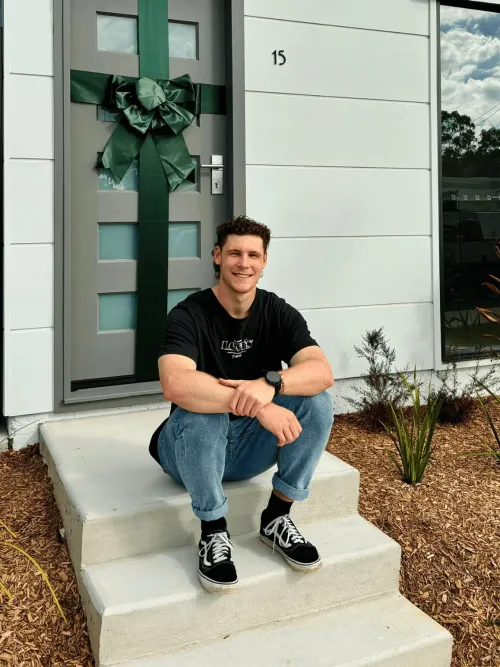
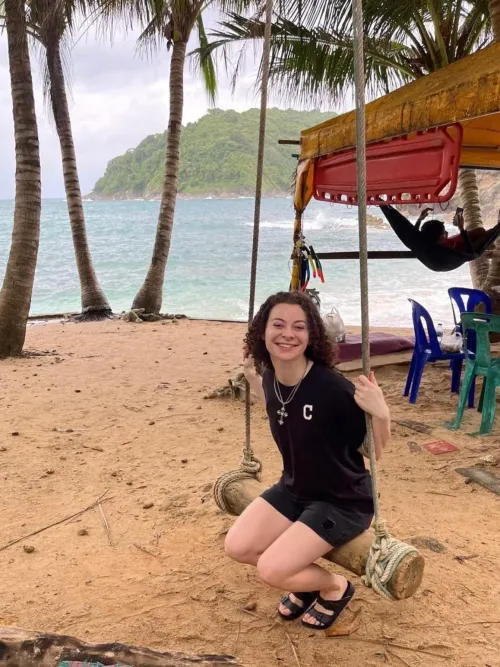
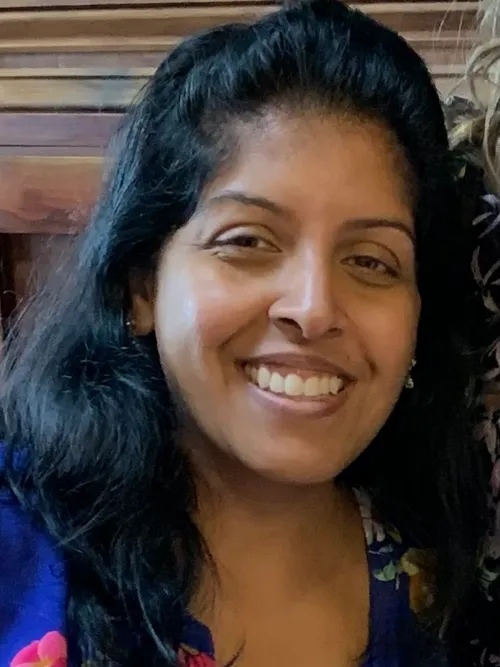
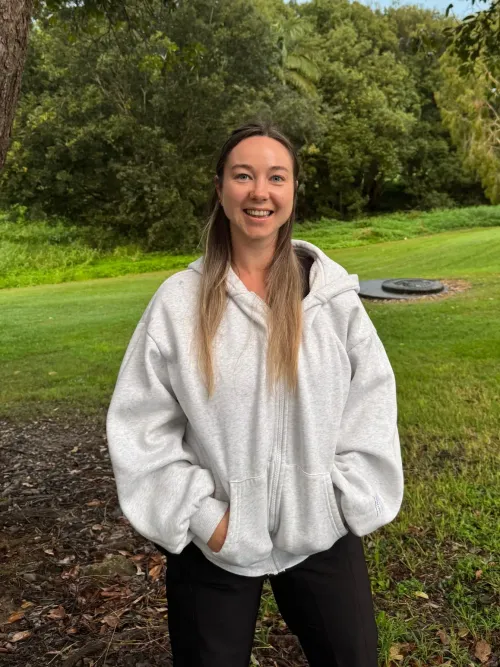
Our Occupational Therapists are AHPRA-registered, supported by OT assistants, a psychologist, a speech pathologist and a warm admin team who'll be your first point of contact. Small enough to know your name, big enough to match you with someone whose experience fits your goals.

AHPRA-registered OTs SPA Certified Speech Pathologist Coverage across QLD, NSW, VIC, TAS
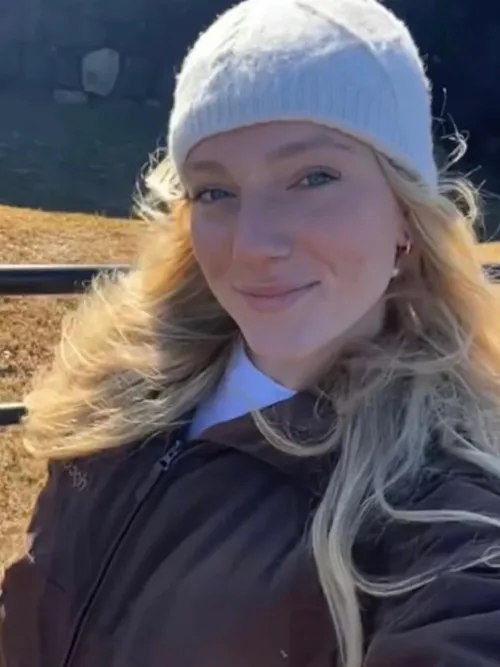
Emily, Occupational Therapist at Astrad

Emily

Occupational Therapist

AHPRA-registered
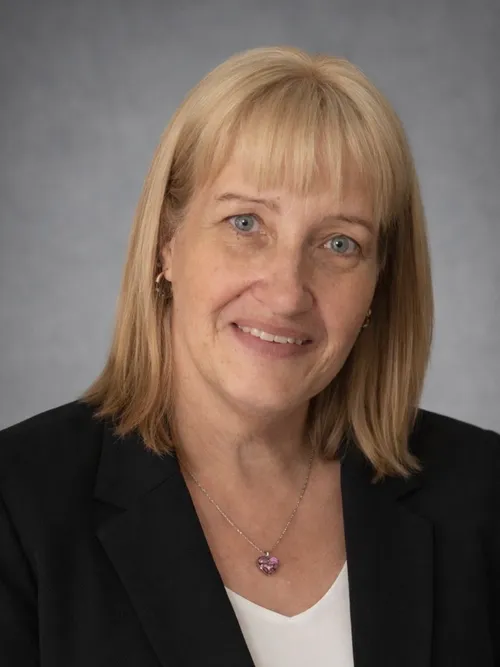
Jamie, Occupational Therapist at Astrad

Jamie

Occupational Therapist

AHPRA-registered
Lachlan, Occupational Therapist at Astrad

Lachlan

Occupational Therapist

AHPRA-registered
Andrew, Occupational Therapist at Astrad

Andrew

Occupational Therapist

AHPRA-registered
Matt, Occupational Therapist at Astrad

Matt

Occupational Therapist

AHPRA-registered
Niamh, Occupational Therapist at Astrad

Niamh

Occupational Therapist

AHPRA-registered
Elloise, Occupational Therapist at Astrad

Elloise

Occupational Therapist

AHPRA-registered
Bronwen, Occupational Therapist at Astrad

Bronwen

Occupational Therapist

AHPRA-registered
Monique, Occupational Therapist at Astrad

Monique

Occupational Therapist

AHPRA-registered
Sally, Occupational Therapist at Astrad

Sally

Occupational Therapist

AHPRA-registered
Sanskruti, Occupational Therapist at Astrad

Sanskruti

Occupational Therapist

AHPRA-registered
Mala, Occupational Therapist at Astrad

Mala

Occupational Therapist

AHPRA-registered
Milly, Psychologist at Astrad

Milly

Psychologist

AHPRA-registered
Teresa, Speech Pathologist at Astrad

Teresa

Speech Pathologist

SPA Certified Practising
April, Occupational Therapy Assistant at Astrad

April

Occupational Therapy Assistant

Under OT supervision
Georgie, Occupational Therapy Assistant at Astrad

Georgie

Occupational Therapy Assistant

Under OT supervision
Mia, Occupational Therapy Assistant at Astrad

Mia

Occupational Therapy Assistant

Under OT supervision
Liliana, Speech Therapy Assistant at Astrad

Liliana

Speech Therapy Assistant

Under SPA supervision
Delia, Client Intake Coordinator at Astrad

Delia

Client Intake Coordinator

Intake team
Bethany, Client Intake Coordinator at Astrad

Bethany

Client Intake Coordinator

Intake team

Swipe to see more

Request a clinician match

Tell us your preferences: gender, language, cultural background, clinical experience. We'll match you with a clinician who fits.

Transparent pricing

No surprises on your invoice

We can't list fixed prices publicly. What you pay depends on your funding stream, the service, and your location. But every Astrad client gets the same three things, in writing, before any visit is booked.

Request a written quote

A written quote before we start

Every client gets a clear written quote setting out session rates, expected travel time and any reports, before we schedule a single visit.

Within NDIS price limits

For NDIS participants we bill within the limits set out in the current NDIS Pricing Arrangements and Price Limits. No surprises at invoice time.

Travel disclosed up front

Travel and non-face-to-face time are always quoted in writing, at the rates allowed for your funding stream. What you see is what you pay.

Coverage

Mobile OT across four states

Our Occupational Therapists travel to you. At home, at school, at work or in the community. We cover metro and many regional areas across Queensland, NSW, Victoria and Tasmania. Not sure if we reach your postcode? Ask us. We usually confirm within one business day.

Check availability

Queensland

Brisbane, Gold Coast, Sunshine Coast, Ipswich, Logan, Toowoomba

New South Wales

Sydney, Central Coast, Wollongong, Newcastle

Victoria

Melbourne, Geelong, Bendigo, Ballarat

Tasmania

Hobart, Launceston, Devonport

Questions & answers

OT for chronic conditions: common questions

Can't see your question? Call us and we'll answer it directly.

What can an OT do for a chronic condition?

OT for chronic conditions focuses on the functional impact, specifically how the condition affects your daily activities, work, self-care and participation in community life. Common areas include energy conservation and fatigue management, adapting tasks and environments to reduce demand, assistive equipment and home modifications, maintaining meaningful activity within safe limits, and supporting the goal of staying at or returning to work.

What chronic conditions do your OTs work with?

Our OTs work with adults living with a range of chronic health conditions including chronic pain, chronic fatigue syndrome (ME/CFS), fibromyalgia, rheumatoid arthritis, osteoarthritis, multiple sclerosis, type 1 and type 2 diabetes, cardiac conditions, COPD, lupus and other autoimmune conditions. If your condition is not listed, contact us and we'll be straightforward about whether we are the right fit.

What is energy conservation and why does it matter?

Energy conservation is a set of strategies that help you do more of what matters by reducing how much energy each task consumes. For someone managing fatigue as part of a chronic condition, this is often the most practical thing an OT can teach. It involves pacing, task modification, environmental set-up, rest scheduling and prioritising activities across the day and week.

What funding covers OT for chronic conditions?

NDIS (self- and plan-managed) is available when a chronic condition constitutes a permanent disability with functional impacts meeting the access criteria. Medicare may contribute via a Chronic Disease Management plan initiated by your GP, which provides a limited number of subsidised Allied Health sessions per year. DVA covers eligible veterans. Private health insurance (extras cover) may also contribute depending on your fund. We can help you work out which pathway applies.

Do I need a GP referral?

Not to contact us directly. A GP referral is required to access Medicare-subsidised sessions via a Chronic Disease Management plan. For NDIS, DVA or private funding, you can contact us without a referral. We will help you work out the right pathway for your situation.

Can an OT help me stay in work with a chronic condition?

Yes. Staying at or returning to work with a chronic condition often requires a thoughtful approach to task modification, work scheduling, ergonomics and communication with your employer. Our OTs can assess your capacity, recommend workplace adjustments, write supporting reports, and help you develop strategies that support the goal of sustainable work participation.

What assistive equipment might an OT recommend for chronic conditions?

Equipment recommendations depend on the specific condition and functional impact. Common examples include long-handled tools to reduce bending, jar openers and ergonomic kitchen aids, shower seating, energy-efficient trolleys and carry systems, voice-activated or adaptive technology for computer use, and supportive seating or cushioning. Our OT will assess what you actually need and write the AT report if equipment is to be funded through NDIS or another scheme.

Ready when you are

OT for chronic conditions, delivered at home across four states.

Our mobile OTs work with adults managing chronic pain, fatigue, autoimmune conditions and other long-term health issues through NDIS, Medicare CDM, DVA and private funding. We visit you at home and in the community across QLD, NSW, VIC and TAS. Call us or request a callback to talk through your situation.

We usually call back within one business day.

Mon–Fri 9am–5pm Brisbane time

Request a callback

We usually call back within one business day.

Call us