Skip to content
Astrad Allied Health
Call us
Paediatric OT · Fine motor skill development

Fine motor skills OT for children, at home or at school.

Mobile AHPRA-registered OTs helping children build the hand skills they need for school and everyday life.

Fine motor difficulties affect everything from doing up buttons to holding a pencil to using scissors in class. Our paediatric OTs assess your child's hand strength, coordination, grasp patterns and visual-motor skills, then build a practical therapy programme targeted at the activities that matter most right now: school tasks, self-care and play.

  • AHPRA-registered paediatric OTs
  • Assessed at home, school or community
  • NDIS self- and plan-managed, private
  • Mobile across QLD, NSW, VIC & TAS
Call (07) 3477 9366

You'll speak with one of our AHPRA-registered OTs.

Book a callback

We usually call back within one business day.

  • Free intake call
  • No obligation
  • No referral needed
Your info stays confidential. Privacy policy.

Mobile OT for children, adults & older people

AHPRA-registered OTs
Paediatric & adult OT
NDIS self- & plan-managed
Aged Care, DVA & private
Home, school, community
Paediatric OT · Fine motor skills

Building hand skills that hold up in real tasks

Fine motor OT is not just about grip strength or pencil control in isolation. It works from the ground up: core and shoulder stability before wrist control, wrist control before finger dexterity, and dexterity before the complex tasks like writing and fastening. Your OT assesses where in that chain the gaps are, then targets the specific skills that are holding your child back from the tasks they need to manage at school and at home.

Hand strength and endurance

Many children with fine motor difficulties lack the foundational hand strength to sustain tasks like writing, cutting or managing fastenings across a full school day. Your OT uses therapeutic putty, resistance tools and functional activities to build grip and pinch strength progressively, so skills last through a whole lesson, not just the first five minutes.

In-hand manipulation skills

In-hand manipulation is the ability to move small objects within the hand: turning a coin, shifting a pencil from writing position to erasing position, picking up and repositioning small pieces. These skills underpin almost every fine motor school task. Your OT assesses and builds these through targeted play and task-based activities.

Scissors and cutting skills

Scissors require bilateral coordination, hand separation (each hand doing a different job simultaneously) and adequate grip strength. Your OT assesses each component, selects the right scissors for your child's hand size and strength, and works through a graded cutting programme from straight lines to complex shapes, coordinated with school curriculum expectations.

Grasp patterns and pencil hold

There is no single correct pencil grip, but some grasp patterns create pain, fatigue or illegibility that interfere with schoolwork. Your OT assesses your child's grasp, identifies what is driving it (often weakness or instability higher up the arm), and introduces modifications and strengthening activities, rather than just prompting a different grip.

Fastening and self-care tasks

Buttons, zips, shoelaces and snap fasteners all require precise bilateral coordination and tactile feedback. Your OT breaks each task into steps, identifies the specific component causing difficulty, and builds a structured practice programme you can run at home. Clothing and equipment modifications are recommended where they make a real functional difference.

Visual-motor integration

Copying from the board, colouring within lines and cutting along outlines all require the eye and hand to work together accurately. Your OT assesses visual-motor integration using standardised tools and targets it through specific tabletop activities that build the connection between what the eyes see and what the hands do.

How it works

Getting started with a mobile OT

Whether NDIS, aged care, DVA or private, the admin can feel complicated. We handle the paperwork and explain the funding options in plain English so you can focus on the person, not the process.

01

Call us or request a callback

Phone (07) 3477 9366 or drop your details in the form. Our intake team usually responds within one business day. We'll ask about age, goals, funding and where you're based.

02

Matched with the right Occupational Therapist

We pair you with an AHPRA-registered OT experienced in your context: paediatric, adult, older adult, rehab or reports. You know who's coming, and why they're the right fit.

03

Mobile OT, we come to you

Your OT visits you at home, at school, at work or in the community. We build a personalised plan, document progress, and coordinate with your supports, GP or support coordinator.

Meet the team

The people behind every visit

Our Occupational Therapists are AHPRA-registered, supported by OT assistants, a psychologist, a speech pathologist and a warm admin team who'll be your first point of contact. Small enough to know your name, big enough to match you with someone whose experience fits your goals.

AHPRA-registered OTs SPA Certified Speech Pathologist Coverage across QLD, NSW, VIC, TAS
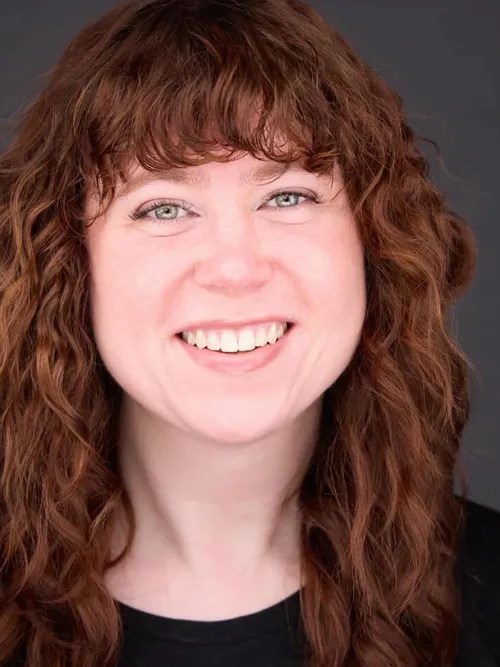
Emily, Occupational Therapist at Astrad

Emily

Occupational Therapist

AHPRA-registered
Jamie, Occupational Therapist at Astrad

Jamie

Occupational Therapist

AHPRA-registered
Lachlan, Occupational Therapist at Astrad

Lachlan

Occupational Therapist

AHPRA-registered
Andrew, Occupational Therapist at Astrad

Andrew

Occupational Therapist

AHPRA-registered
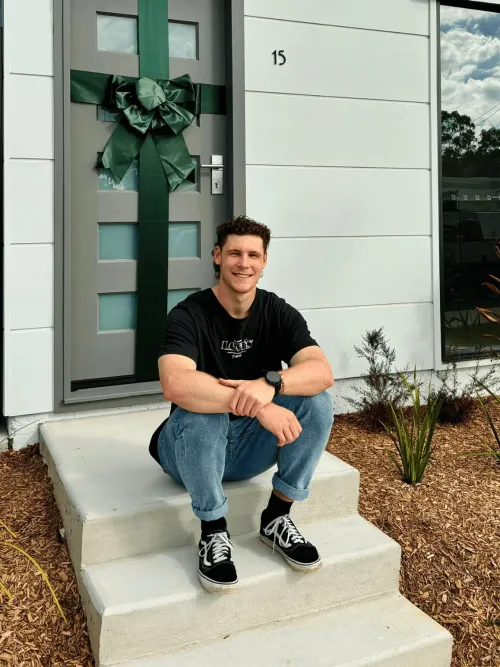
Matt, Occupational Therapist at Astrad

Matt

Occupational Therapist

AHPRA-registered
Niamh, Occupational Therapist at Astrad

Niamh

Occupational Therapist

AHPRA-registered
Elloise, Occupational Therapist at Astrad

Elloise

Occupational Therapist

AHPRA-registered
Bronwen, Occupational Therapist at Astrad

Bronwen

Occupational Therapist

AHPRA-registered
Monique, Occupational Therapist at Astrad

Monique

Occupational Therapist

AHPRA-registered
Sally, Occupational Therapist at Astrad

Sally

Occupational Therapist

AHPRA-registered
Sanskruti, Occupational Therapist at Astrad

Sanskruti

Occupational Therapist

AHPRA-registered
Mala, Occupational Therapist at Astrad

Mala

Occupational Therapist

AHPRA-registered
Milly, Psychologist at Astrad

Milly

Psychologist

AHPRA-registered
Teresa, Speech Pathologist at Astrad

Teresa

Speech Pathologist

SPA Certified Practising
April, Occupational Therapy Assistant at Astrad

April

Occupational Therapy Assistant

Under OT supervision
Georgie, Occupational Therapy Assistant at Astrad

Georgie

Occupational Therapy Assistant

Under OT supervision
Mia, Occupational Therapy Assistant at Astrad

Mia

Occupational Therapy Assistant

Under OT supervision
Liliana, Speech Therapy Assistant at Astrad

Liliana

Speech Therapy Assistant

Under SPA supervision
Delia, Client Intake Coordinator at Astrad

Delia

Client Intake Coordinator

Intake team
Bethany, Client Intake Coordinator at Astrad

Bethany

Client Intake Coordinator

Intake team

Swipe to see more

Request a clinician match

Tell us your preferences: gender, language, cultural background, clinical experience. We'll match you with a clinician who fits.

Transparent pricing

No surprises on your invoice

We can't list fixed prices publicly. What you pay depends on your funding stream, the service, and your location. But every Astrad client gets the same three things, in writing, before any visit is booked.

Request a written quote

A written quote before we start

Every client gets a clear written quote setting out session rates, expected travel time and any reports, before we schedule a single visit.

Within NDIS price limits

For NDIS participants we bill within the limits set out in the current NDIS Pricing Arrangements and Price Limits. No surprises at invoice time.

Travel disclosed up front

Travel and non-face-to-face time are always quoted in writing, at the rates allowed for your funding stream. What you see is what you pay.

Coverage

Mobile OT across four states

Our Occupational Therapists travel to you. At home, at school, at work or in the community. We cover metro and many regional areas across Queensland, NSW, Victoria and Tasmania. Not sure if we reach your postcode? Ask us. We usually confirm within one business day.

Check availability

Queensland

Brisbane, Gold Coast, Sunshine Coast, Ipswich, Logan, Toowoomba

New South Wales

Sydney, Central Coast, Wollongong, Newcastle

Victoria

Melbourne, Geelong, Bendigo, Ballarat

Tasmania

Hobart, Launceston, Devonport

Questions & answers

Fine motor skills OT: the common questions

Can't see your question? Call us and we'll answer it directly.

What age should fine motor delays raise concern?

Developmental milestones vary, but some signs worth discussing with an OT include: difficulty using a pincer grasp by 12 months, trouble with simple puzzles and stacking blocks by age 2-3, struggles with scissors or colouring by age 4-5, or messy, effortful pencil use going into Prep or Year 1. If daily activities or school tasks are noticeably harder than peers, it's worth an OT conversation early.

What does a fine motor OT assessment include?

Our OT visits your home or your child's school and observes them completing age-relevant tasks: drawing, cutting, fastening clothing, using cutlery. We use standardised assessments of hand strength, coordination and visual-motor integration, talk with parents and teachers, and produce a written report with specific recommendations.

Does my child need a formal diagnosis to access fine motor OT?

No. Fine motor difficulties are assessed and supported on their own merits. You do not need a diagnosis, a GP referral or existing NDIS funding to get started. We can also assist with getting an NDIS plan underway if your child may be eligible.

Will sessions be at home or at school?

Usually both, depending on where the goals sit. Home sessions work well for self-care goals (buttons, zips, cutlery). School visits help the OT observe pencil grip and scissor use in context and support the teacher with practical strategies in the classroom.

What does a fine motor OT session actually look like?

Sessions are play-based for younger children and task-focused for older kids. Activities might include therapeutic putty work, threading, construction tasks or pencil-control exercises. The OT coaches parents through a short home programme so progress builds between sessions, not just during them.

Does NDIS cover fine motor OT?

Yes. Fine motor OT is funded under the Improved Daily Living (Capacity Building) budget for self-managed and plan-managed NDIS participants. We bill within the current NDIS Pricing Arrangements. Private clients receive a written quote before sessions begin. There is no NDIS Medicare rebate for OT, but some private health funds include OT as an extras benefit.

How long does fine motor OT take to show progress?

That depends on the child's starting point, the goals, and how consistently strategies are practised at home. Many families notice changes in specific tasks within six to twelve weeks of consistent therapy and home practice. Your OT will set clear goals and review them with you at regular intervals.

Ready when you are

Fine motor difficulties holding your child back? Let's assess what is going on.

Our OTs come to your home or your child's school and assess hand function in the real tasks that matter: writing, cutting, fastening, using cutlery. You get a written report and a practical therapy plan. NDIS self- and plan-managed, or private. No referral needed. Call (07) 3477 9366 or book a callback below.

We usually call back within one business day.

Mon–Fri 9am–5pm Brisbane time

Request a callback

We usually call back within one business day.

Call us