

Skip to content
Astrad Allied Health
Call us
NDIS-ready reports · Home Modifications

Home modification reports written to NDIS and aged care standards, we come to you.

OT-led home assessments and modification reports for NDIS participants, Home Care Package recipients and DVA clients across QLD, NSW, VIC and TAS.

A home modification report documents what changes a person's home environment needs to support their safety, access and independence. Our OTs visit the home, assess the environment against the person's functional needs, and write a clear report covering minor and complex modifications, with supplier recommendations and evidence-based justification for the funding body. We work with self-managed and plan-managed NDIS participants, Home Care Package providers, DVA case managers and private clients.

  • Minor and complex mod reports
  • NDIS, HCP and DVA funded
  • Supplier coordination available
  • Typical turnaround 2–3 weeks
Call (07) 3477 9366

You'll speak with one of our AHPRA-registered OTs.

Request a report quote

We usually call back within one business day.

  • Free intake call
  • No obligation
  • No referral needed
Your info stays confidential. Privacy policy.

Home modification reports across QLD, NSW, VIC & TAS

AHPRA-registered OTs
NDIS self- & plan-managed
Home Care Package clients
Aged Care, DVA & private
Home-based assessments
NDIS-ready reports · Home Modification Reports

What an OT home modification report covers and how to use it

A home modification report is an OT-written document that connects a person's functional needs to specific changes their home environment requires. The report provides the clinical justification a funding body needs before approving modifications, whether that's a grab rail through NDIS or a full bathroom reconfiguration under the NDIS Capital Supports budget. Getting the scope right at the start means fewer delays and a report the funding body can act on.

The home environment walk-through

The OT visits the home and moves through it with the person, assessing every area relevant to the referral: entry access, bathroom and toilet, bedroom, kitchen, laundry, living areas and outdoor access. We look at circulation space, fall hazards, door widths, step heights, floor surfaces and how the person's functional limitations interact with each area. Measurements are taken where required for modification specifications.


Minor vs complex modifications

Under NDIS, minor modifications are lower-risk changes that generally don't require building certification, such as grab rails, handrails, lever taps and ramps under prescribed heights. Complex modifications involve structural work, higher costs, or building approval, such as bathroom reconfigurations, doorway widening or ramp construction. The report clearly identifies which category each recommendation falls into, as the approval pathway and quote requirements differ.

Evidence and measurements gathered on site

The OT records clinical observations, photographs (with consent), measurements and functional task observations during the visit. For complex modifications this documentation supports the supplier quote process and, where required, building certification. Accurate measurements gathered at the visit mean suppliers can quote against the report without a separate site visit.

Recommendations with clinical justification

Each modification recommendation in the report is linked directly to a clinical observation: the specific functional limitation, how the current environment creates a barrier or risk, and what the modification will address. Recommendations are prioritised by safety and functional impact. Cost estimates or ranges are included where available at the time of writing, to help the funding body assess reasonable necessity.

Report structure for NDIS, HCP and DVA submission

The report is formatted to meet the documentation requirements of the relevant funding body. For NDIS, this means addressing reasonable and necessary criteria and Capital Supports funding evidence. For Home Care Package submissions, the report is structured to support the provider's funding request. The report can be sent directly to the support coordinator, aged care provider, DVA case manager or participant as instructed.

Supplier coordination and post-install review

Where appropriate, the OT can liaise with building contractors or AT suppliers during the quoting process to ensure modifications match the clinical recommendations. Once modifications are installed, a post-installation review visit confirms the work meets the clinical intent of the report. This is particularly important for complex modifications where fit-out variations can affect the outcome.

How it works

From referral to report in three steps

Home modification reports follow a clear process whether the referral comes from the participant, a support coordinator, an aged care provider or a DVA case manager.

01

Referral in

Call (07) 3477 9366 or submit the form. Tell us about the person, their home environment, their funding stream and what modifications you think may be needed. We provide a written quote before any visit is scheduled.

02

Home assessment visit

An AHPRA-registered OT visits the home and assesses the environment against the person's functional needs. We look at access, safety, bathroom and kitchen function, circulation space and any other areas relevant to the referral. The assessment typically takes one to two hours.

03

Report delivered to you and your support team

The completed report is delivered digitally within two to three weeks. It covers recommended modifications (minor and/or complex), clinical justification, suggested suppliers and any relevant equipment. We can send the report directly to the funding body, support coordinator or aged care provider.

Who we assess

Home modification reports across every stage of life

Home modification needs vary significantly by age, disability type and living situation. Our OTs are experienced across paediatric, adult and aged care contexts.

Birth

Kids

Birth – 17

Home mods for children

Children with physical disability, autism or complex needs may require modifications to support safe movement, self-care and participation in family life. Reports cover access, bathroom safety, sensory environment and equipment clearances.

  • Bathroom and toilet access
  • Bedroom and sleeping safety
  • Entry and circulation access
  • Sensory environment considerations
  • Equipment storage and clearance
  • Outdoor access and play
Enquire about kids OT
18

Adults

18 – 64

Home mods for adults

For working-age adults with physical disability, acquired injury or progressive conditions, home modification reports support NDIS funding requests for both minor and complex modifications. We document functional barriers and write recommendations grounded in clinical evidence.

  • Bathroom and shower modifications
  • Ramp and step access
  • Handrail and grab rail installation
  • Doorway widening and circulation
  • Kitchen and laundry access
  • Complex structural modifications
Enquire about adults OT
65+

Older adults

65+

Home mods for ageing well

Helping older people remain safely at home is one of the most common reasons for an OT home assessment. Reports support Home Care Package funding, CHSP, DVA and private modifications to reduce falls risk and extend independence.

  • Falls risk assessment
  • Grab rails and handrails
  • Step and threshold removal
  • Bathroom and shower modifications
  • Lighting and floor surface assessment
  • External access and paths
Enquire about older adults OT
Meet the team

The people behind every visit

Our Occupational Therapists are AHPRA-registered, supported by OT assistants, a psychologist, a speech pathologist and a warm admin team who'll be your first point of contact. Small enough to know your name, big enough to match you with someone whose experience fits your goals.

AHPRA-registered OTs SPA Certified Speech Pathologist Coverage across QLD, NSW, VIC, TAS
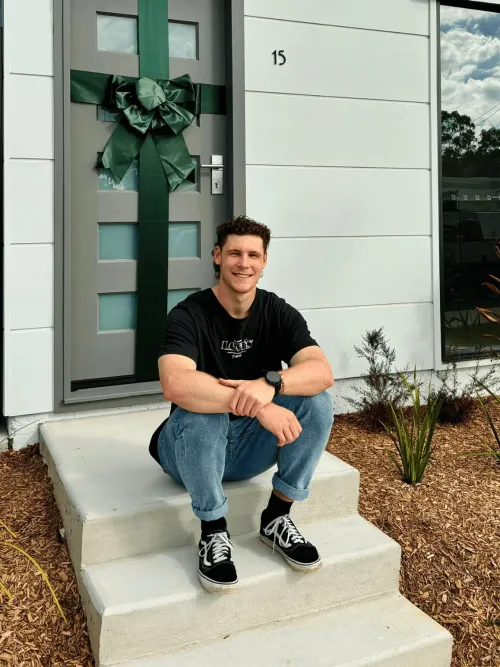
Emily, Occupational Therapist at Astrad

Emily

Occupational Therapist

AHPRA-registered
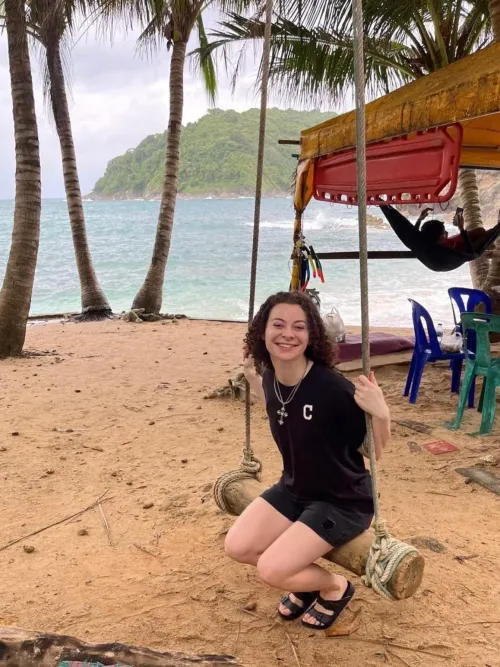
Jamie, Occupational Therapist at Astrad

Jamie

Occupational Therapist

AHPRA-registered
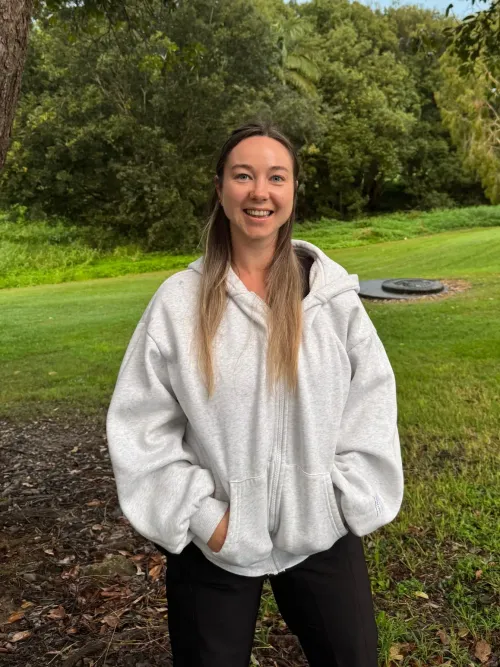
Lachlan, Occupational Therapist at Astrad

Lachlan

Occupational Therapist

AHPRA-registered
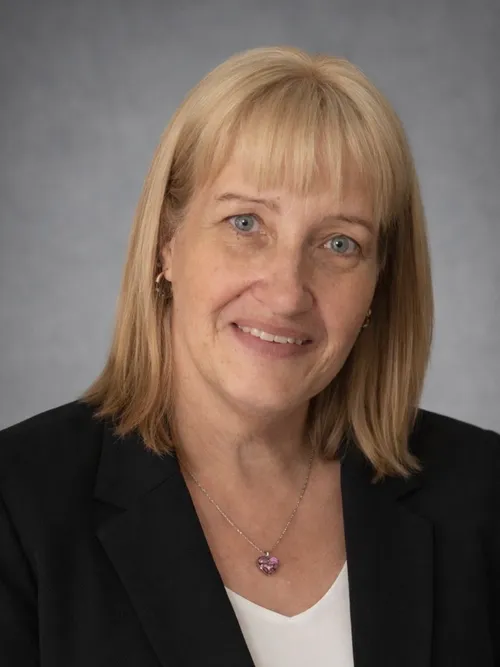
Andrew, Occupational Therapist at Astrad

Andrew

Occupational Therapist

AHPRA-registered
Matt, Occupational Therapist at Astrad

Matt

Occupational Therapist

AHPRA-registered
Niamh, Occupational Therapist at Astrad

Niamh

Occupational Therapist

AHPRA-registered
Elloise, Occupational Therapist at Astrad

Elloise

Occupational Therapist

AHPRA-registered
Bronwen, Occupational Therapist at Astrad

Bronwen

Occupational Therapist

AHPRA-registered
Monique, Occupational Therapist at Astrad

Monique

Occupational Therapist

AHPRA-registered
Sally, Occupational Therapist at Astrad

Sally

Occupational Therapist

AHPRA-registered
Sanskruti, Occupational Therapist at Astrad

Sanskruti

Occupational Therapist

AHPRA-registered
Mala, Occupational Therapist at Astrad

Mala

Occupational Therapist

AHPRA-registered
Milly, Psychologist at Astrad

Milly

Psychologist

AHPRA-registered
Teresa, Speech Pathologist at Astrad

Teresa

Speech Pathologist

SPA Certified Practising
April, Occupational Therapy Assistant at Astrad

April

Occupational Therapy Assistant

Under OT supervision
Georgie, Occupational Therapy Assistant at Astrad

Georgie

Occupational Therapy Assistant

Under OT supervision
Mia, Occupational Therapy Assistant at Astrad

Mia

Occupational Therapy Assistant

Under OT supervision
Liliana, Speech Therapy Assistant at Astrad

Liliana

Speech Therapy Assistant

Under SPA supervision
Delia, Client Intake Coordinator at Astrad

Delia

Client Intake Coordinator

Intake team
Bethany, Client Intake Coordinator at Astrad

Bethany

Client Intake Coordinator

Intake team

Swipe to see more

Request a clinician match

Tell us your preferences: gender, language, cultural background, clinical experience. We'll match you with a clinician who fits.

Transparent pricing

No surprises on your invoice

We can't list fixed prices publicly. What you pay depends on your funding stream, the service, and your location. But every Astrad client gets the same three things, in writing, before any visit is booked.

Request a written quote

A written quote before we start

Every client gets a clear written quote setting out session rates, expected travel time and any reports, before we schedule a single visit.

Within NDIS price limits

For NDIS participants we bill within the limits set out in the current NDIS Pricing Arrangements and Price Limits. No surprises at invoice time.

Travel disclosed up front

Travel and non-face-to-face time are always quoted in writing, at the rates allowed for your funding stream. What you see is what you pay.

Coverage

Mobile OT across four states

Our Occupational Therapists travel to you. At home, at school, at work or in the community. We cover metro and many regional areas across Queensland, NSW, Victoria and Tasmania. Not sure if we reach your postcode? Ask us. We usually confirm within one business day.

Check availability

Queensland

Brisbane, Gold Coast, Sunshine Coast, Ipswich, Logan, Toowoomba

New South Wales

Sydney, Central Coast, Wollongong, Newcastle

Victoria

Melbourne, Geelong, Bendigo, Ballarat

Tasmania

Hobart, Launceston, Devonport

Questions & answers

Home modification reports: what support coordinators and families ask

Not sure what the report needs to cover, or how to fund the modifications? Call (07) 3477 9366 and we'll walk you through it.

What is a home modification report?

A home modification report is an OT-written document that assesses a person's home environment against their functional needs and recommends specific modifications to improve safety, access and independence. It can cover minor modifications (grab rails, lever taps, ramps under 1000mm) and complex modifications (bathroom reconfigurations, structural access works). The report provides the clinical justification a funding body needs to approve the modifications.

What is the difference between a minor and a complex home modification?

Under the NDIS, minor home modifications are generally lower-cost, lower-risk changes that don't require building approval, such as grab rails, handrails, ramps and lever handles. Complex home modifications involve structural work, higher costs, or require a qualified tradesperson and possibly building certification. Both types can be funded through the NDIS, but the approval pathway and quote requirements differ. Our report will clearly identify which category each modification falls into.

Can a support coordinator refer for a home modification report?

Yes. We receive home modification referrals from support coordinators, plan managers, aged care providers, GPs, hospitals and directly from participants and families. No formal referral letter is needed. Contact our intake team with the participant's details, funding stream and what modifications may be required, and we'll confirm scope and quote.

What funding streams cover home modification reports?

The OT assessment and report can be funded through NDIS (self-managed and plan-managed participants, via Capacity Building or Core Supports), Home Care Packages (HCP), Commonwealth Home Support Programme (CHSP), DVA, and privately. The cost of the modifications themselves is usually funded separately through NDIS Capital Supports or the relevant aged care funding program. We'll help you understand what's available for your situation.

Do you coordinate with builders or suppliers?

We can provide supplier recommendations and, where relevant, coordinate with builders or equipment suppliers to ensure the modifications match the clinical recommendations. For NDIS complex home modifications, the NDIA typically requires quotes from qualified tradespeople as part of the approval process. We can advise on what documentation is needed.

How long does the assessment visit take?

A home assessment visit for a modification report typically takes one to two hours, depending on the size of the property, the number of areas being assessed and the complexity of the person's functional needs. The written report is generally delivered within two to three weeks of the visit.

Can the same OT write the report and oversee the modification?

Yes. In many cases it makes clinical sense for the same OT to be involved from assessment through to completion, to ensure the modifications are installed as recommended and to sign off on the outcome. Ask about this when you enquire and we'll build it into the quoted scope.

Ready when you are

Need a home modification report? Let's get the assessment on the calendar.

Whether the referral is for a child who needs better bathroom access, an adult after a spinal injury, or an older person whose falls risk is increasing, our OTs assess thoroughly and write reports that give the funding body what it needs. Self-managed and plan-managed NDIS, HCP, DVA and private clients welcome. Call (07) 3477 9366 or submit the form.

We usually call back within one business day.

Mon–Fri 9am–5pm Brisbane time

Request a callback

We usually call back within one business day.

Call us